Dr. Naomi Fraga, California Botanic Garden, Director of Conservation Programs
Lecture on Sunday, April 30, 2023
If you have read a newspaper article about California’s “superbloom,” chances are Dr. Naomi Fraga, was one of the people interviewed. When I saw that the California Botanic Garden was having a special program with her giving a lecture on the “superbloom” topic, I jumped on the chance and cleared my calendar.
The current mode of describing a California bloom after an abundant amount of rain is not to use the word “superbloom” as it is not a scientifically approved measure of the amount of blooms. I enjoy Dr. Fraga description of the “superbloom” as “an intense bloom of wildflowers that you can see it from space.”
California is highly unique in that it is one of the few places on this planet that has these types of bloom due to its desert climate, other regions include South Africa, Chile, Western Australia, and parts of Mexico and Arizona. The diversity of flora in California is staggering: 6,600 native plants with 35% of that endemic to California. Over 2,400 plant species are considered rare or on conservation status. Most of the time, people hear superbloom and they imagine blankets of color like yellow, or gold, or orange, or blue, but don’t realize that an intense bloom also leads to rare species awakening.
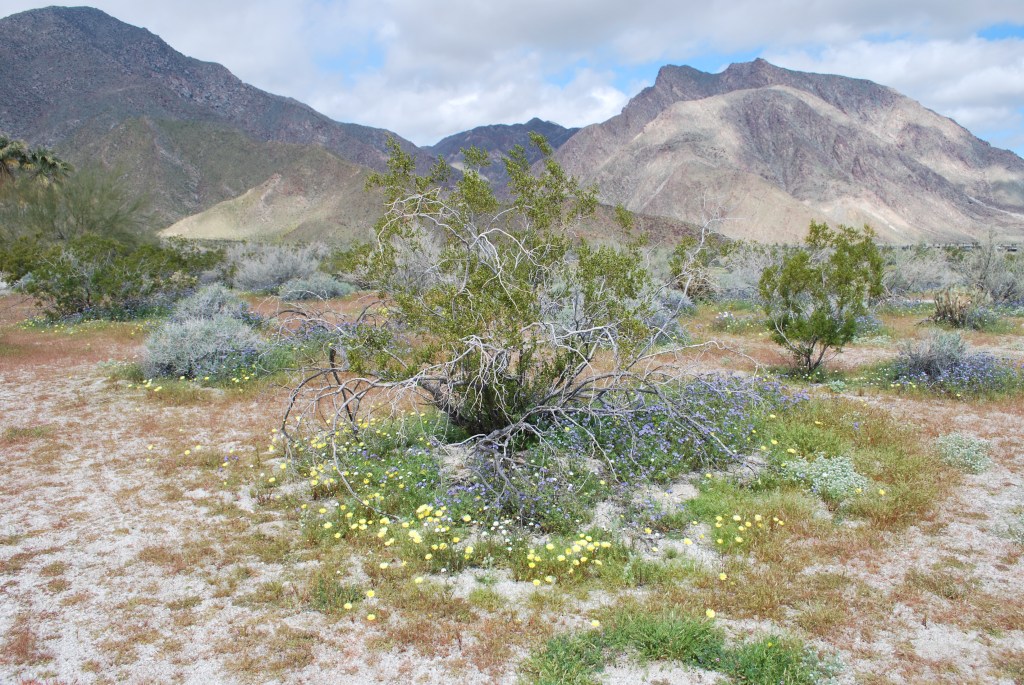
The native plants use these special occurrences to add more seed to the soil. Some seeds are dormant and may not bloom for years and years. It is during the right conditions that the seeds decide to emerge into the colorful, awe inducing annuals. Dr. Fraga says that this is a survival strategy of the seed where they don’t always bloom immediately but will do so intermittently to extend their life.
A massive bloom is perfect for all the pollinators in the state (see my previous blog on California’s pollinators). The insects pollinate the plants and the birds eat the insects and so on. Wildlife increases which adds more abundance to this diverse state.
Dr. Fraga reflects upon the historical nature of the superbloom and how it interacted with the indigienous people who used some of the flowers for food such as chia seeds. Besides pollinators, animals such as the desert tortoise enjoy eating flowers from desert mallows, dandelion, and yellow cups.
While the bloom in 2019 was famous for the excessive visitors at Walker Canyon in Lake Elsinore and the onslaught of Instagram photos of people taking selfies and destroying some wildflower areas, this was not a new phenomenon. Wildflower tourism has existed for decades including a more rural San Gabriel Valley with fields of poppies. Also evident in marketing California as a tourist destination is railroad dining service decorated with California poppies. Unfortunately, seeing such large masses of flowers gave the illusion of abundance, which could explain the negative behavior of some tourists such as trampling and grabbing entire flowers from the roots.
Dr. Fraga ended her lecture with a call to equity and access. For her, this includes more education to deepen the connection of people with native plants during non-superbloom years. It means planting your own native plants to bring blooms to your home and to have a sense of discovery over new species.
Did you find this topic to be interesting?
You can view the lecture yourself. https://m.youtube.com/watch?v=ZnWcGf_bl1U
For more concerning Wildflower tourism and images of old postcards:
https://www.theguardian.com/us-news/2023/may/03/california-wildflower-superbloom-tourism-history
 635 Gardening