I was fortunate to be able to attend all three days of the National Heirloom Expo 2024 sponsored by Baker Creek Seeds on September 11-13, 2024, at the Ventura County Fairgrounds in Ventura. I really enjoyed last year’s expo and was surprised to find even more improvements this year as they had more time to prepare and seem to take people’s comments from last year into account. I say this because some of the minor concerns I had suggested in a survey were all addressed.

The biggest difference this year was the use of space. Vendors were found in two halls and there was just so much more space to walk around. It seemed that there were also probably a few more vendors than last year. Baker Creek Seeds which sold out of seeds in a day and half last year, brought more seeds this year and held their merchandise across two vendor halls, one had flower seeds and the other with vegetables. San Diego Seed Company which did not vend last year, had a few racks of their seeds and many of their seed packets did not overlap with Baker Creek. Other seed companies include Siskiyou Seeds, Heirloom Seedhouse, and Hawaii Island Seed Company.

An eclectic mix of vendors with garden related merchandise included native plant sellers, exotic plants, seed potatoes, and rose hip plants. There are also several compost and amendment vendors. Garden tool merchandise including hand cutters, long cutters, garden signs beautifully designed by an artist, garden theme clothes from socks, bags, aprons, and kitchen items. A local magazine company called Edible magazines sold subscriptions and gave away back issues for the regions of Santa Barbara, Ojai and Ventura County, and San Fernando County. (The Edible Los Angeles magazine is not available because it can only be found digitally.) Books can be purchased from the expo bookstore and the independently published and can be found at their respective booths.
The lingo for the squash and vegetable display is produce. But that can easily be confused with the produce which was also sold and purchased through vending booths which was more like a smaller version of a farmer’s market offered by Ojai Farmer’s Market. The addition of a fruit and vegetable vendor selling local foods was actually helpful during traveling as I was able to load up on some grapes and plums. There were food booths offering vegan options such as Filipino, Chinese dim sum, Mexican, Indian, and Middle Eastern food. Adding a coffee vendor which produced friendly service and delicious drinks was much sought after.

Again, the expo had their hall full of squash, melon, pepper, and flower display. It is an excellent opportunity to experience the many different varieties of vegetables and plants in their glorious diversity of shape, size, color, and texture. If you have a keen sense of smell, you can also smell the differences especially with the peppers. Located in this hall are also the local garden or environmentally related organizations including several which support local indigenous groups.

The speakers were also held across two halls with one hour speaker sessions for each speaker. For me, the speakers were the most important reason for attending the expo as I learned so much last year. I view this as an opportunity to be a student for several days learning topics from growing large vegetables, to the latest in Genetically Modified Organisms (GMOs), to landrace gardening, and growing flowers in Southern California. Part 2 of my blog post will be a more detailed entry concerning the speakers I saw. I would like to add that it is also an excellent opportunity to learn about people from different parts of the world (Kenya and Guatemala) and their efforts in seed saving.
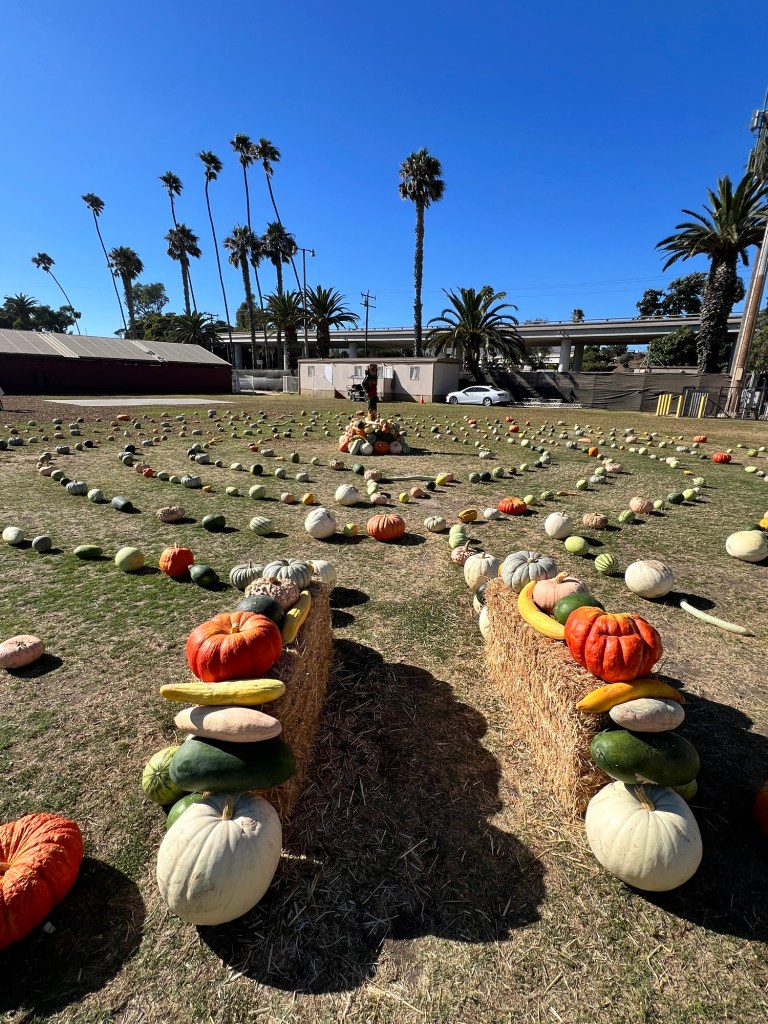
Children had their own room to themselves and could do kid things like play, play music, have their face painted. There is also an outdoor labryinth and heirloom poultry. Many gardeners want to get children involved in gardening so they can understand where their food comes from and to eat more healthy. Baker Creek offers the expo to school children during the week so they can come and visit without having to pay for admission. Baker Creek also offer a section of seeds for schools so they can take home seeds to grow at their gardens.
The heirloom poultry is not limited to only children but for chicken keepers and farmers to connect. While kept in cages for viewing purposes, these poultry free range during their regular days. The biggest change with this display was having the animals in two rooms, giving more room for humans especially those who require walking apparatuses, to move more freely. Although I could be imagining it, but I felt that the animals seemed more calm.

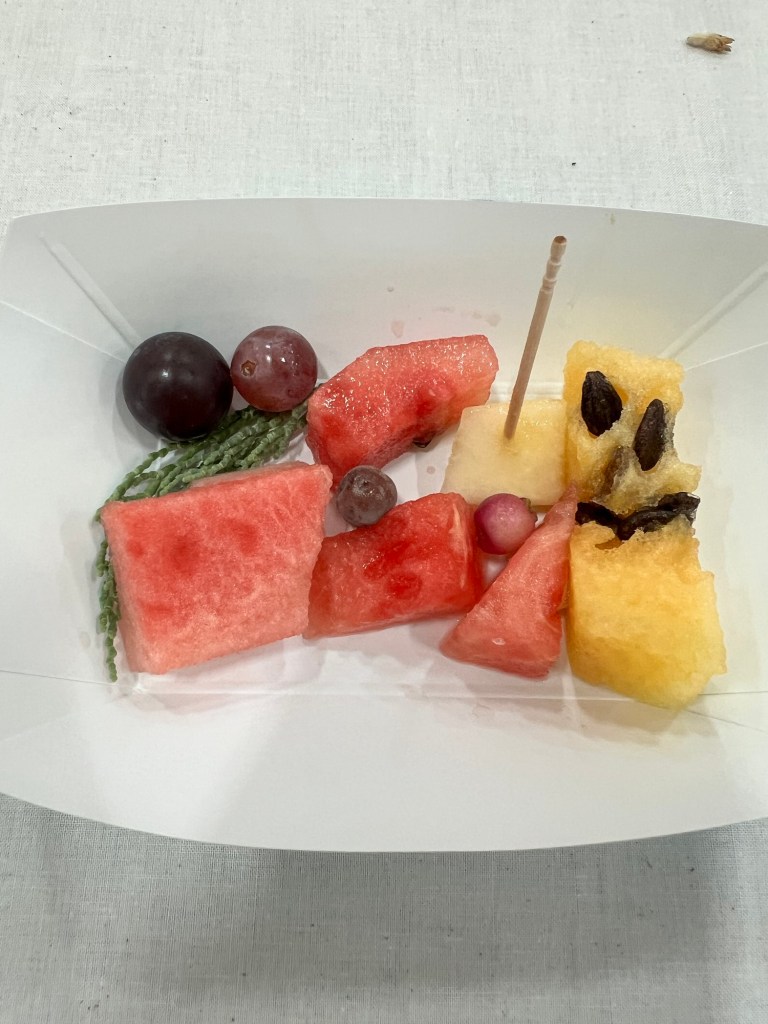
While there was heirloom watermelon tasting during all three days, the final day on Thursday also included Murray Farms releasing their many varieties that they grow on the farm in Bakersfield to taste including jujube, peacotum (developed by Murray peach, apricot, plum fruit), concord grapes, sea grass, and more! These were available as tastings and a small sampler to take. At 6pm on Thursday, the expo display produce was released and it was an opportunity to purchase organic and heirloom melons, squash, and peppers, at incredibly low prices. Proceeds fund school gardens.
It seems the creators of the National Heirloom Expo are willing to make changes such as addressing the need for more space, having better signage, and even just moving the music stage closer to the food. They also added two more stages, a food stage and a soil stage that discussed foods and healthy soils but I attended neither as I was too busy attending the ones at the main speaker hall. Whichever the situation, this experience has piqued my interest even more and I am curious to see what next year will bring.

 635 Gardening