This was my second time attending the National Heirloom Expo and I made the decision to spend more time on the speakers. This was to help not overspend at the booths and to take advantage of the variety of speakers this year. Not only did I feel that I learned a lot from my first experience, but I felt that it was one of the few venues which had speakers on seed saving and gardening topics of interest to me.
I attended several sessions of speaker topics at the 11th National Heirloom Expo held in Ventura, California, on September 10-12. Topics ranged from learning about GMOs, to growing giant fruit, to the seed saving efforts in Kenya and Guatemala.
Heirloom seeds are open-pollinated and it means seed saving and a diversity of varieties. Less spoken about is the impact that these seeds have on communities.
In Julia Dakin’s lecture, “From Soil to Seeds: Unlocking the Secret of Nutrient Dense Gardening,” Dakin presents and debunks the myth that excellent soil produces more nutrient dense vegetables. She asserts that a nutrient dense seed with nutrient dense colors produces more nutritious vegetables. She practices landrace gardening, a type of seed-saving and adaptive gardening that requires seeds to cross-pollinate into hardy varieties. The gardener chooses the healthiest and tastiest seed as it evolves into something stronger through generations. This is especially important in areas with poor soils.
Landrace gardening is something that I learned about last year from Joseph Lofthouse. Because of a change in schedule, I was able to catch his lecture from this year, “Nature as Teacher in the Garden.” A different lecture from last year, Lofthouse dispenses his wisdom on Nature as he philosophizes through landrace gardening. One key point is that “Nature finds balance.” This is most evident in pests in the garden that will attack plants only to find a resistant plant where seeds can be saved and that plant becomes more resilient to pests. Even hearing him a second time, I am still impressed by the success he has found through landrace gardening in the harshest of conditions.

I make it a key importance to learn about different cultures while I am at the Expo. I like to expand my mind and be able to understand more about other’s plight. This year, it was learning about Kenya and the indigenous of Guatemala.
Samuel Nderitu’s overall focus is on Africa and “Reviving the Lost Crops of Africa.” Due to the governments being swayed by corporations, farmers are told to plant GMO (genetically modified organism) crops which differ greatly from the traditional plants of Africa such as cassava, flint corn, millets, and yams, and told to plant crops such as cabbage that are not indigenous or adapted to the area. In Africa, this is becoming a loss in identity and culture as the farmers are becoming older and the young are not interested in farming. Nderitu hopes that by focusing on Kenya, other countries will follow suit.
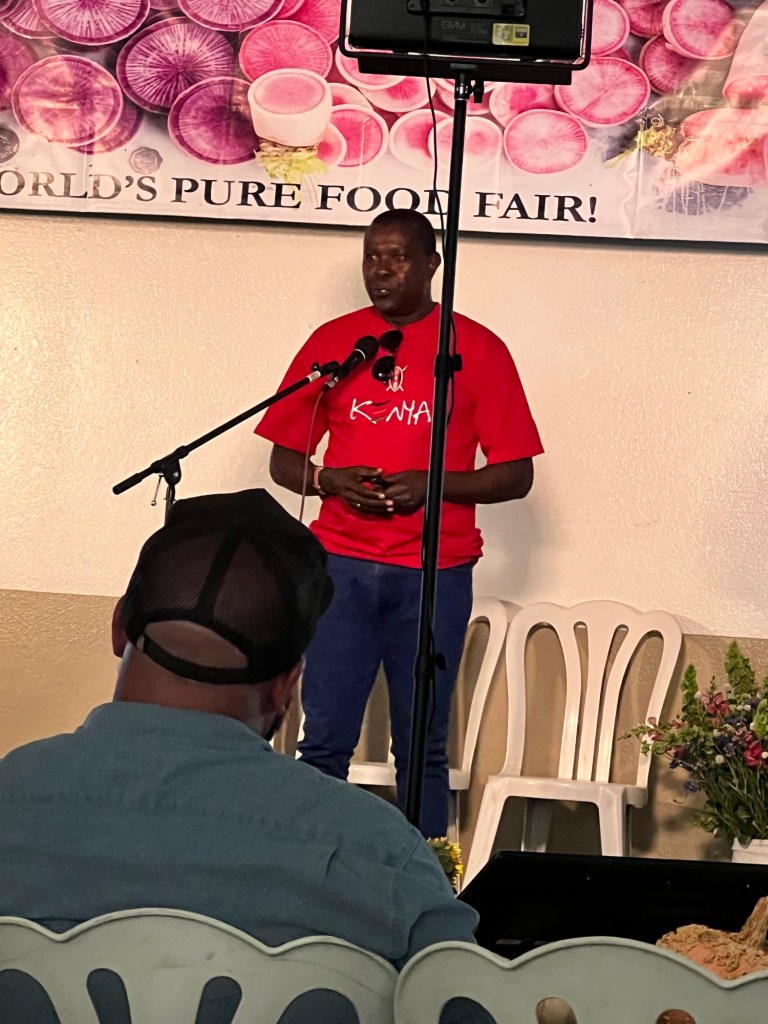
This leads to Daniel Wanjama’s “Seed Saving in Kenya” providing further insight into the efforts of seed saving traditional varieties in that country. The basic act of seed saving and its selling is illegal in Kenya. His organization, Seed Savers Network, begins with advocacy of farmer’s rights, training more farmers in growing their traditional foods, and seed saving through distribution of seeds. Seeds cannot be sold anywhere including seed stores, therefore it becomes even more important to learn how to seed save. Their seed ambassadors and community participation teaches farmers traditional methods such as dry cow dung, smoking/sooting, use of sun drying, and neem leaves, is not found in the agriculture schools.
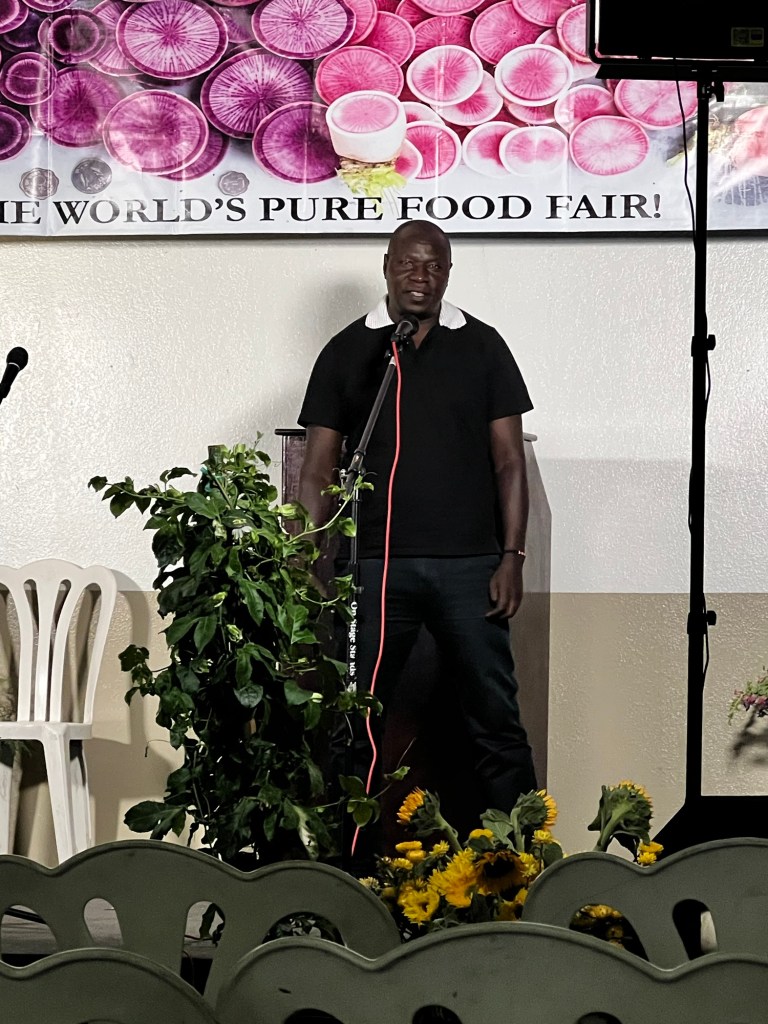
For Julian Vasquez Chun and Cristobal Osario Sanchez, they are “Reviving the Milpa Systems in Guatemala” or also known as the Three Sisters in North American indigenous culture: corn, bean, and squash. The indigenous of Guatemala have been affected severely by the building of dams, drought, civil wars, and slash and burn agriculture. The introduction of GMO seeds onto the lands killed many native varieties while the native varieties were becoming a loss due to dispersement of people during the civil war. The traditional seeds are a part of their culture’s spirituality and identity. Luckily, some people buried the seeds underground for safekeeping and are able to dig up their collection and continue growing their heirloom varieties.

In what could have been a boring and confusing subject, Rachel Parent discussed “The Urgent Threats Facing Our Food and Farming.” Parent is an advocate for nutritious foods and explained clearly the meaning of GMO foods and the lack of oversight into these new foods.

Moving on to lighter subjects is Mitch McCulloch who became fascinated with heirloom seeds and their histories during the Covid-19 pandemic. He discussed his rise in interest from beginning gardener of a 14 x 14 km allotment to a 4-acre farm in a few years, to traveling the world and learning about seeds from other parts of the world in his lecture “Seed Hunting as Soulcraft.”

Kevin Fortey is a British gardener who holds world records for growing giant vegetables in “The Joys of Giant Veg.” At first I did not see the connection between heirloom seeds and giant vegetable growing in England but then you hear how he used Baker Creek seeds and won records. For some vegetables such as giant squash, seed saving from giant varieties is another way to grow larger. His lecture was punctuated with pictures of large vegetables in fun situations.

There were also a few lectures that dealt directly for local gardeners. Kat Kramer and Emmanuel Rivera discussed “Drought Proofing the Southern California Garden,” from native plants, to the many different water-saving features such as mulching, structures diverting water, shaping contour lines, and cover cropping.

Brijette Pena’s energetic lecture on “Local Flower Production in Southern California” discussed the importance of growing flowers locally for pollination as well as saving on emissions and excess floral packaging from imports through the floral industry. From her experience growing flowers, Pena found some unique occurrences such as snapdragons can grow up to three feet tall and milkweed does not need any stratification in zones 9 and 10. Flowers that do well in these zones are rudbeckia, cosmos, zinnia, strawflower, scabiosa, calendula, marigold, and statice.

In “The Future of Food: A Farmivore Local Food Hub in Action,” I attended based on not knowing what it meant. Mike Roberts is a farmer in the Ventura County area and he discussed how they have a strong network of small farmers in the area to grow and sell together so the consumer can have a range of vegetables. This network connects growers to the people who need the food.

This is just a sampling of the lectures that occurred during the National Heirloom Expo. I enjoyed listening about the expansive nature of seed saving, from it’s cultural and historical significance, to our current needs of saving healthy seed to adapt to weather conditions, to growing for the joy of it or to save our sanity during the pandemic. This was a wealth of information that I don’t often find in my everyday life but once a year during these three days.
 635 Gardening