Every five years, Southern California participating museums, institutions, and art galleries participate in a thematic exhibition sponsored by the Getty Initiative called “Pacific Standard Time: Art.” This session is the intermingling of art and science. I eagerly awaited the topics (at its respective museum) and am especially tuned into where the natural sciences meet art. I like seeing art about the environment or nature and hope to see and learn more about the subject. In this post, I will highlight the exhibitions I have seen that relate to gardening.
At the Hammer Museum, their exhibition is titled “Breath(e): Toward Climate and Social Justice.” The standout exhibit here is by Ron Finley, the Gangsta Gardener, who gardened in South Central Los Angeles’s hellstrips and abandoned parking lots to grow fresh fruit and vegetables in an area of urban Los Angeles that is a food desert. He has become a spokesperson for urban gardening and gardening for social issues.
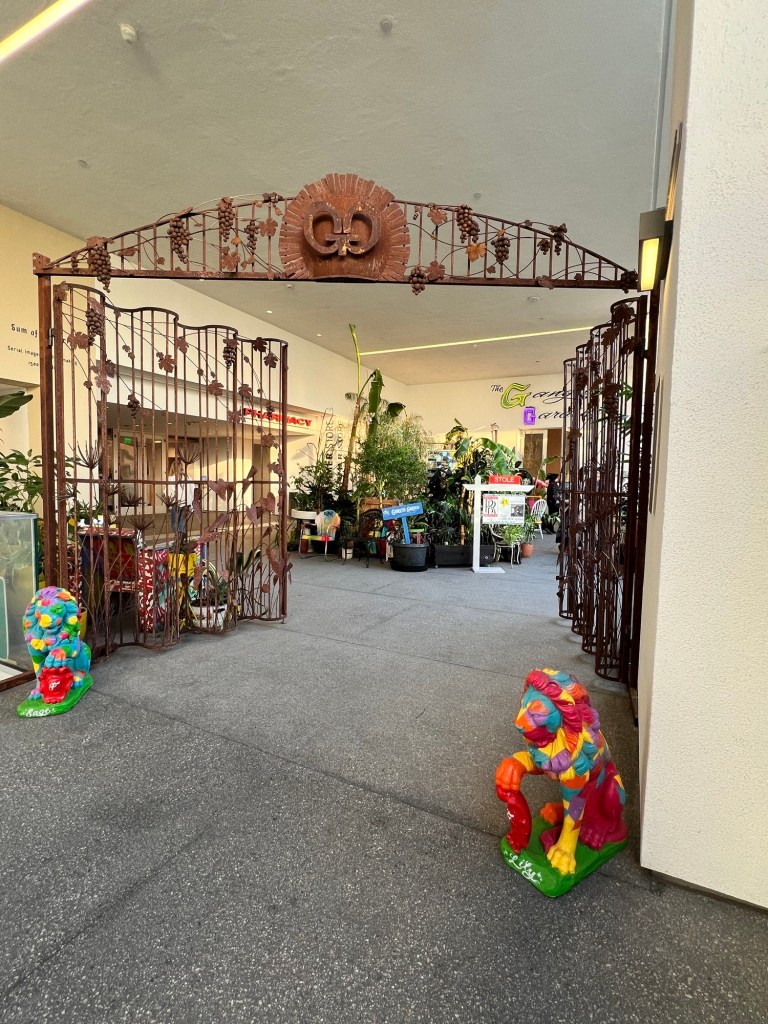
At this exhibit, Finley brings his plants, pots, and garden decor, and sets up a small garden at the museum. It is an excellent opportunity to experience his vision both as a gardener and as an artist.
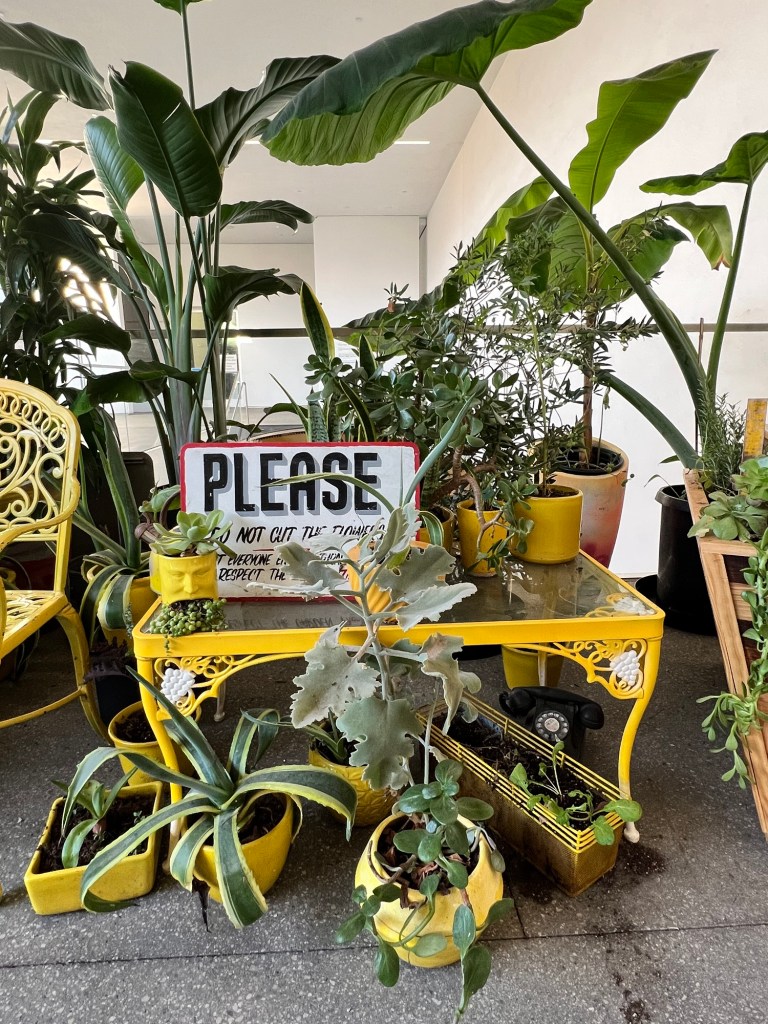
The longer I stayed to view his plants and exhibit, more of his subtle message of social justice emerges.
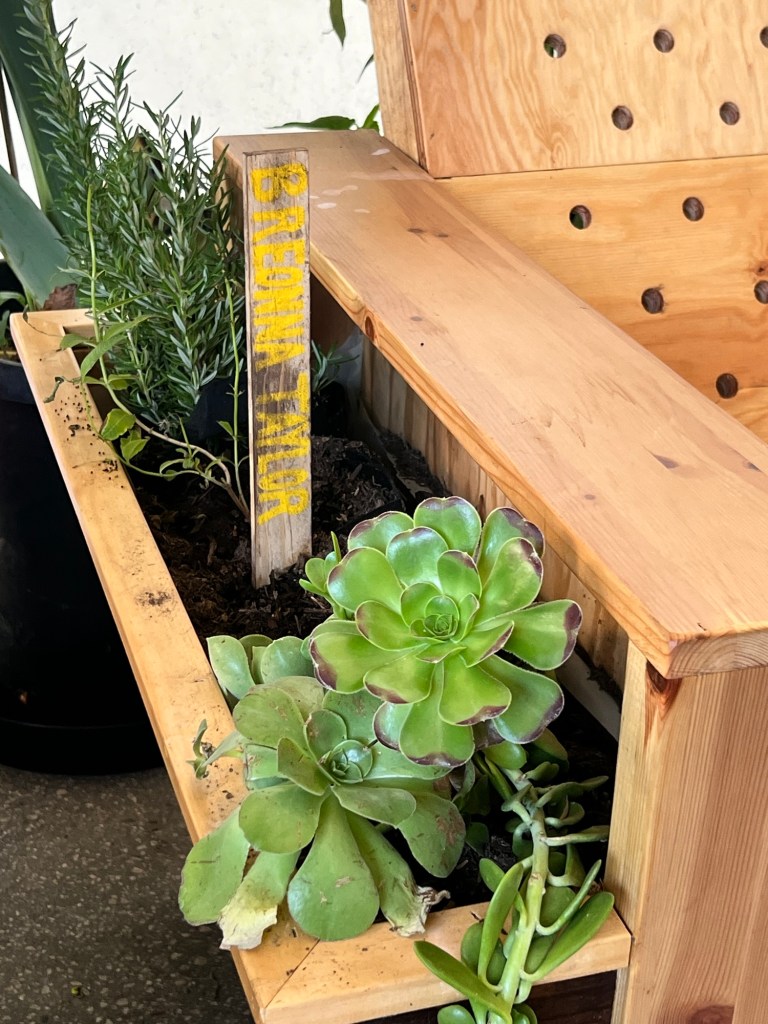
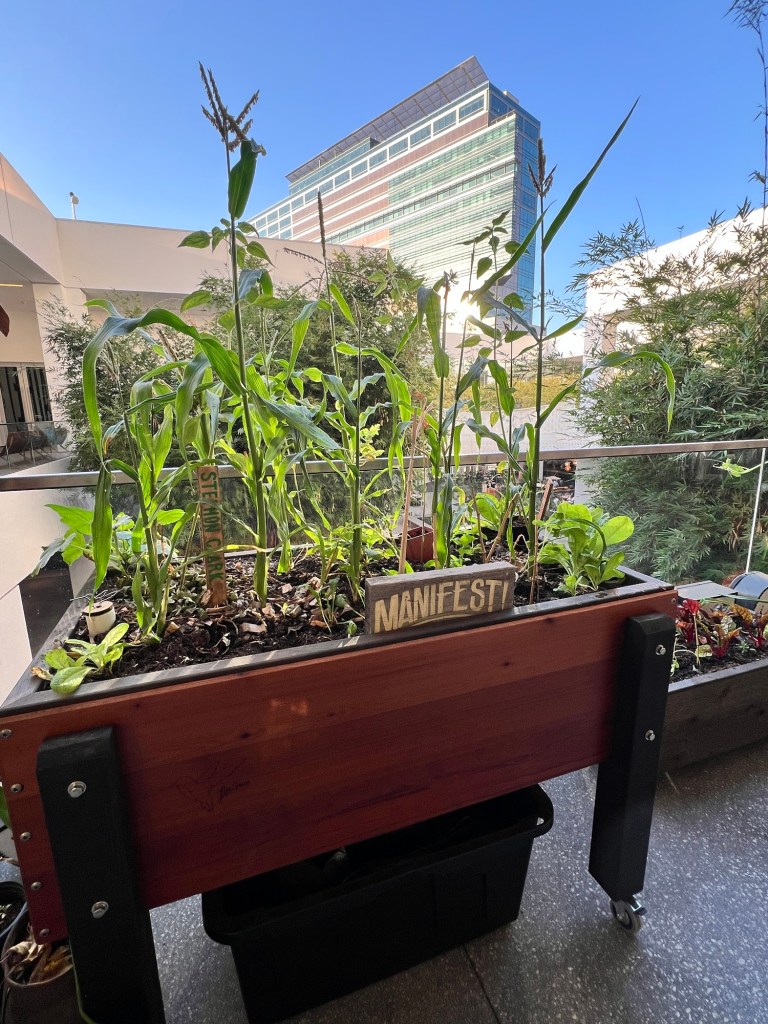
Finley also has an accompanying exhibit with shovels decorated by various artists.
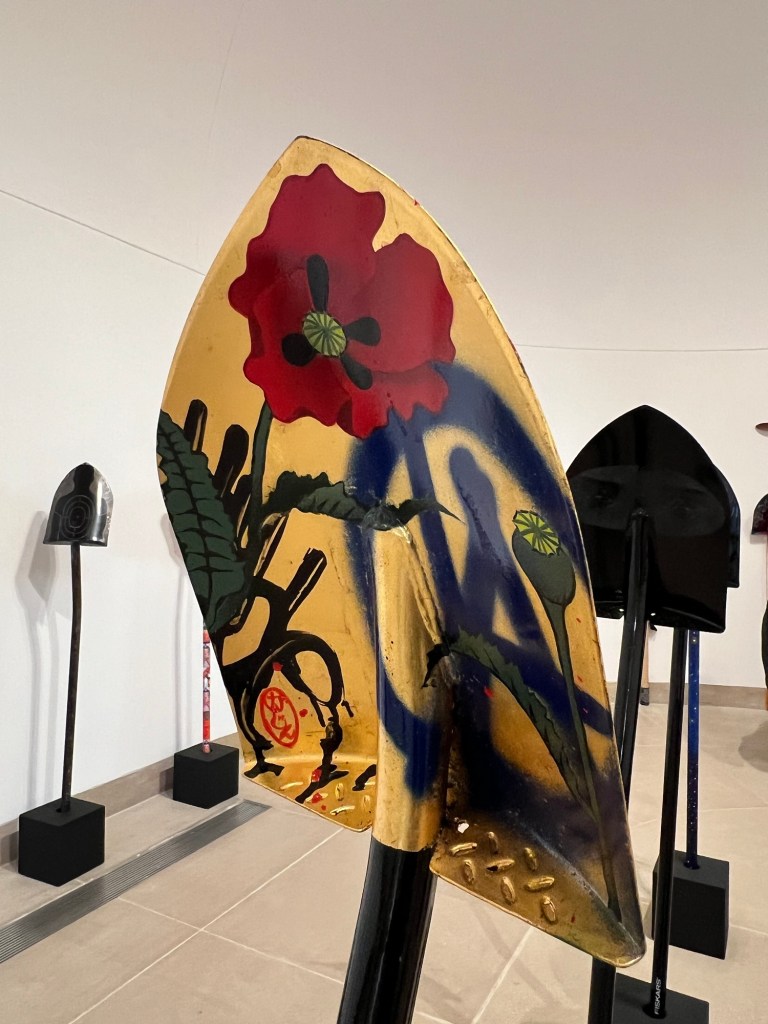
“Breath(e): Toward Climate and Social Justice” runs until January 5, 2025, at the Hammer Museum.
The exhibit at the California African American Museum, “World Without End: The George Washington Carver Project,” was eagerly anticipated. I do not know much about George Washington Carver and was hoping for a good introduction to the man. This exhibit did not disappoint.
Carver was a scientist, a chemist, and also an artist.
Known for his promotion of the humble peanut as an inexpensive way for farmers to grow nutritious food, Carver went on to develop peanut butter and many other uses totaling over 300 different ways for using the plant.
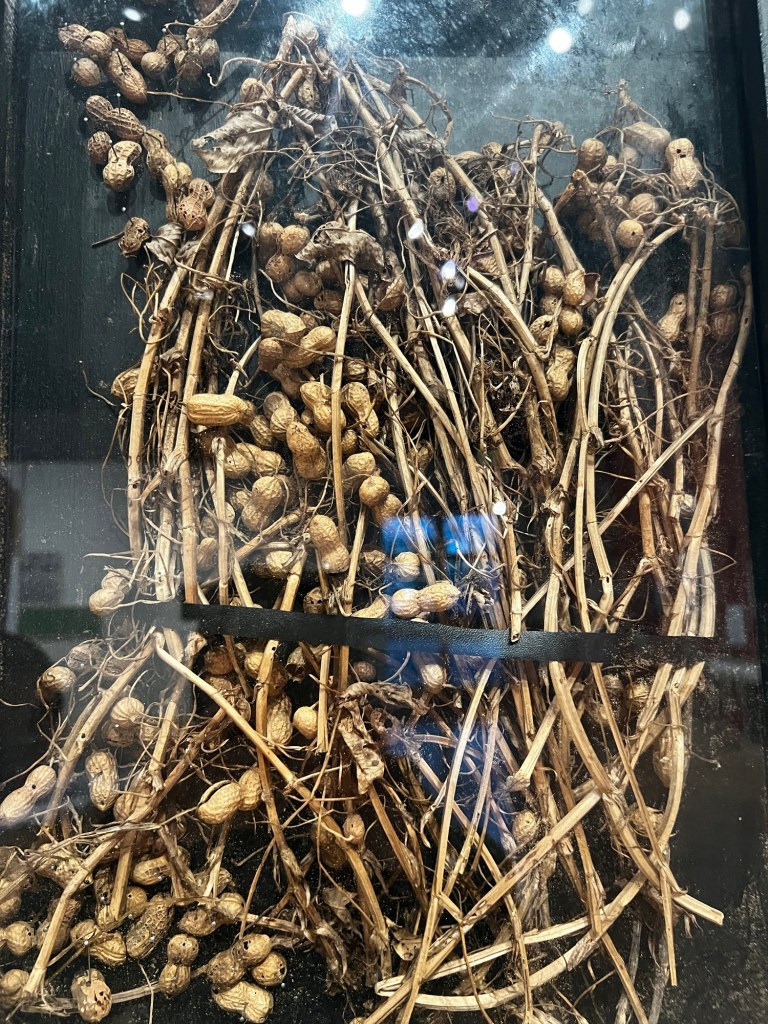
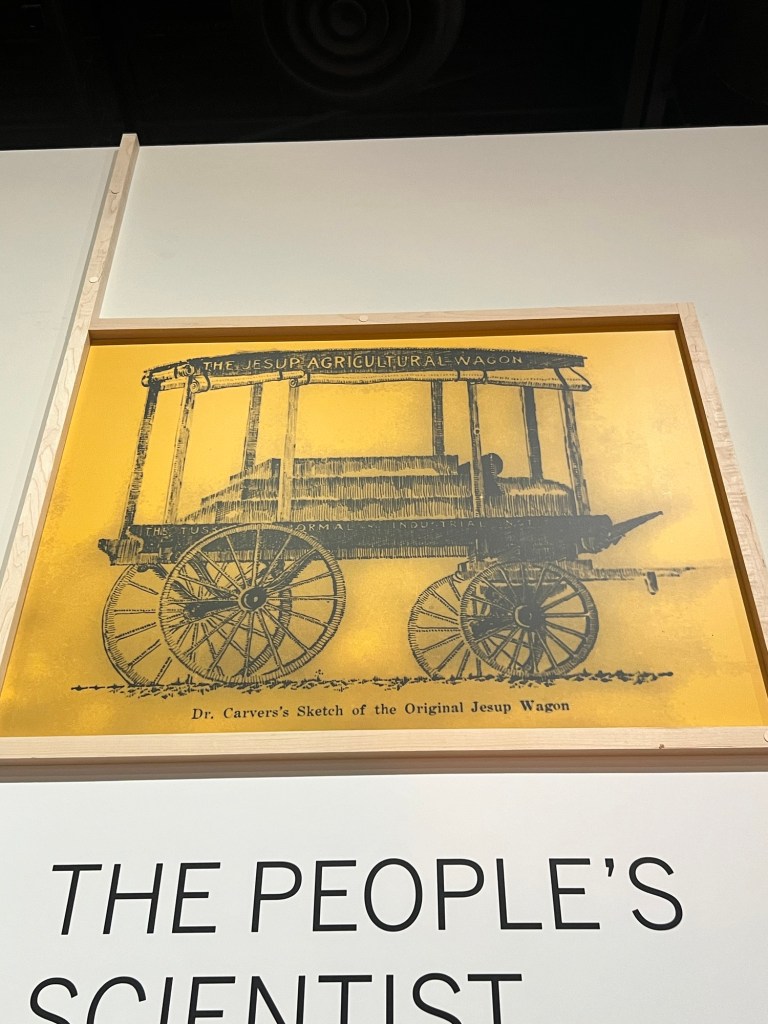
As a soil scientist, he wanted the farmer to grow plants such as peanuts and soybeans that will help enrich the soil and not deplete it the way cotton did. He also believed in educating farmers by using his Jess-Up Wagon and would tour the farmlands to explain his methods. He believed in assisting the farmer and to share his knowledge with others without expecting anything in return. Many of these farmers were poor and he wanted to help elevate their farms and families’ lives with his knowledge.
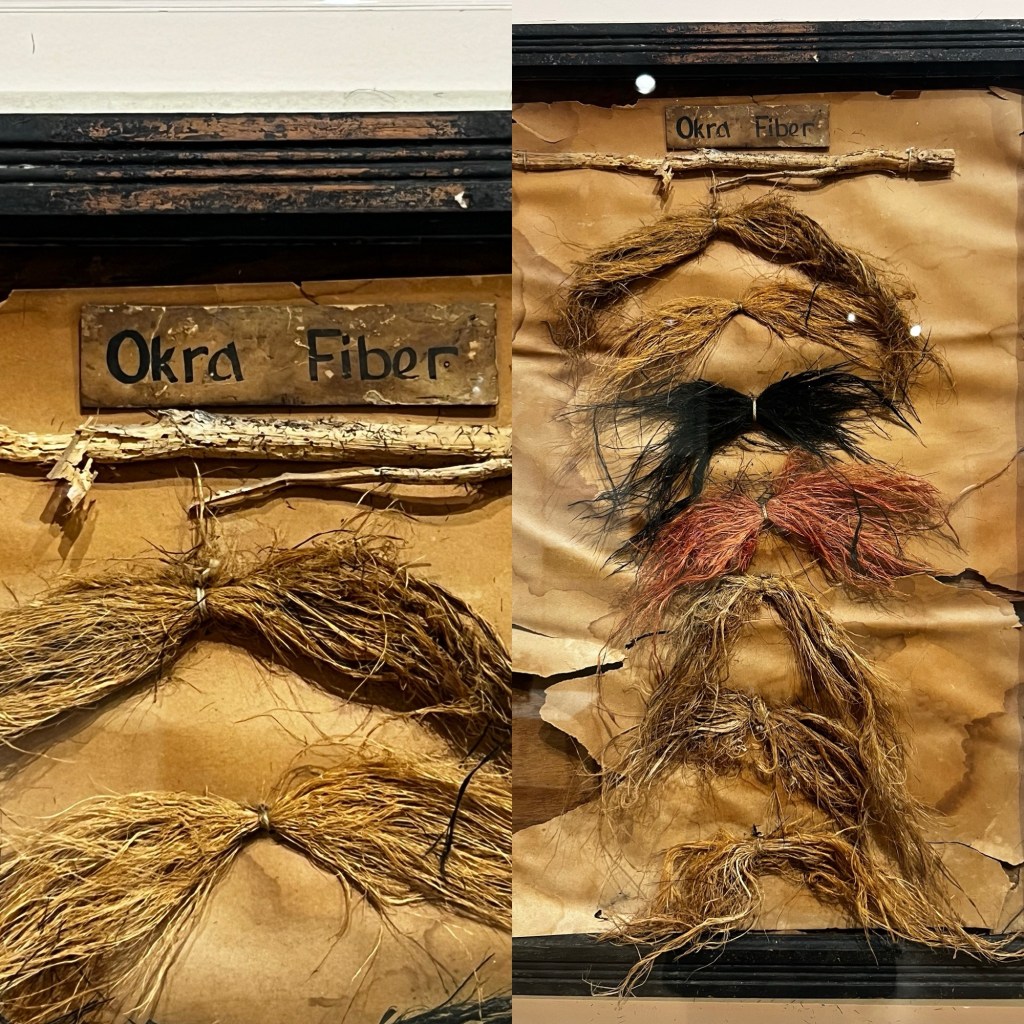
In his creative mind, Carver would find as many different uses for plant material as possible. This was to be economical and to also emphasize the use of local materials which already existed and was readily available.
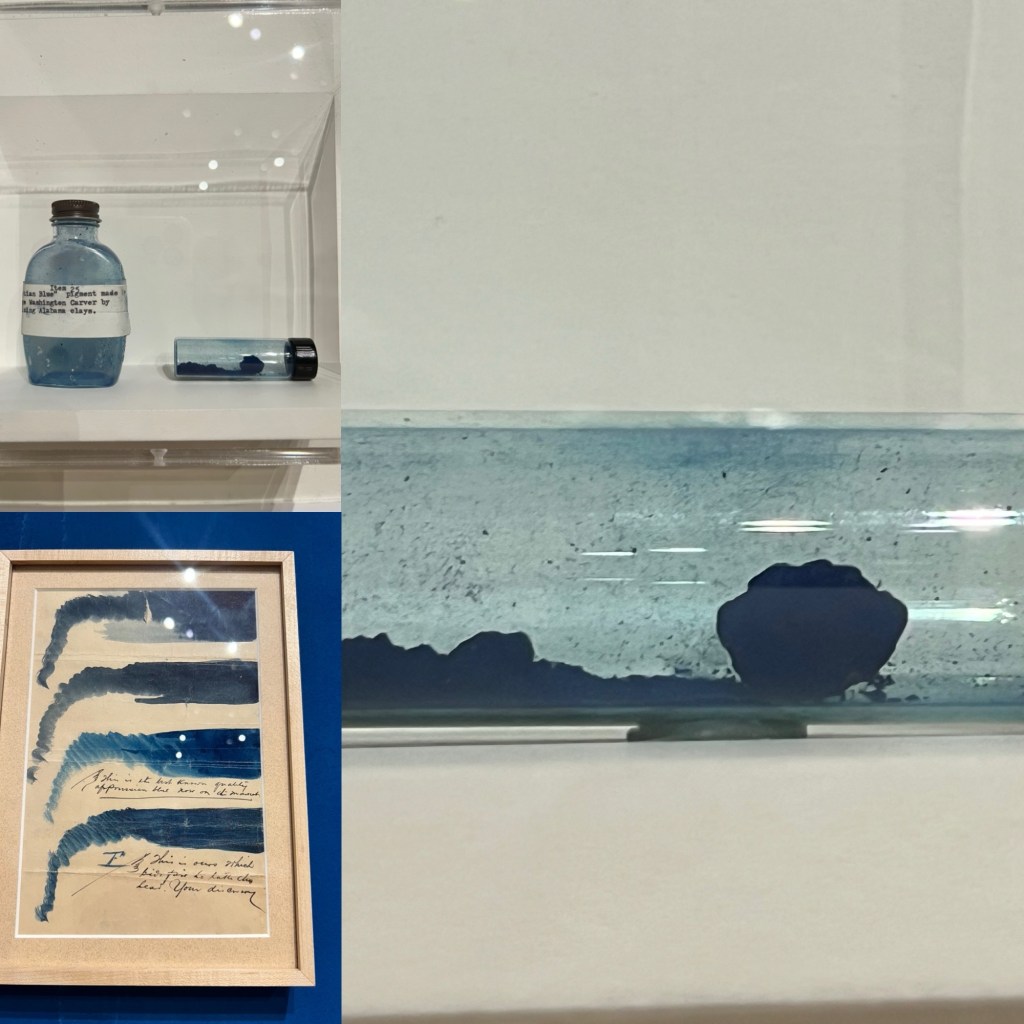
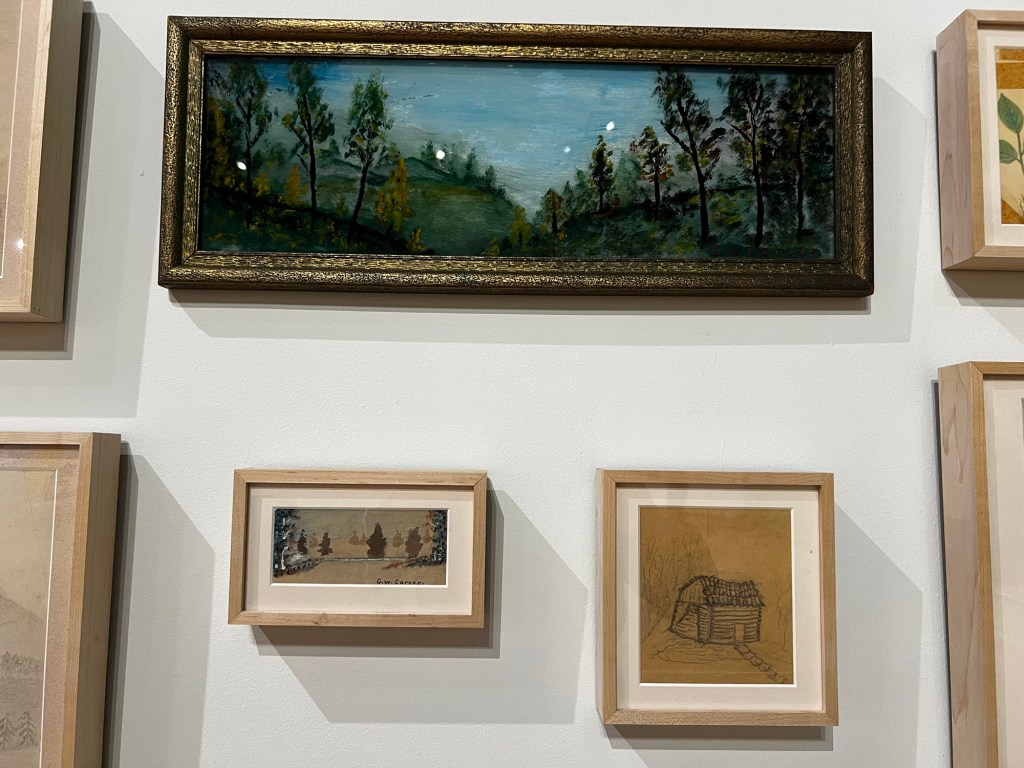
Carver’s appreciation for Nature can be seen in a few paintings Carver drew and painted. Unfortunately, many of Carver’s art pieces did not survive due to a fire at Tuskegee University that housed many of his art pieces.
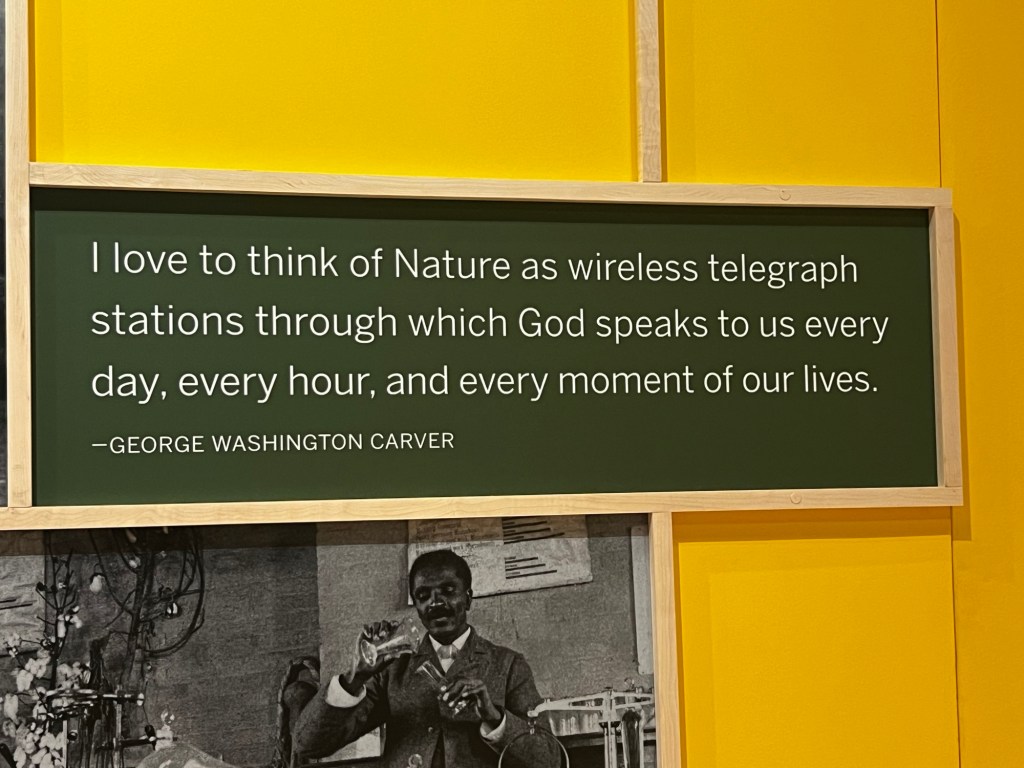
Also on display is art by contemporary artists such as Noah Purifoy, Judson Powell, and Charles Gaines, who were influenced by Carver’s experimentation, sense of reuse, and scientific knowledge.
“World Without End: The George Washington Carver Project” runs until March 2, 2025, at the California African American Museum.
I enjoy going to visit museums because I find them to be inspiring. I was glad to have the opportunity to experience being inspired as a gardener with these exhibits. Seeing the artistic vision of Ron Finley and his plant arrangements and thinking of the myriad of ways a simple plant can provide by George Washington Carver, gave me so much to think about.
 635 Gardening