Part 1 in a series of 3
Needless to say the word “fun” was a complete understatement to the experience I had with last year’s ADAPT seed trial. The ADAPT seed trial is created by the Seed Savers Exchange and encourages the community to plant heirloom seeds and report on their adaptability in their area. Tasting the grown vegetables is also part of the trial.
I enjoyed the process even with all the ups and downs. There were a few surprises. I have an heirloom cherry tomato that I planted last March and it produced throughout the winter here in Southern California (growing zone 10A) and it’s still alive (a year later), doing well and is bushy.
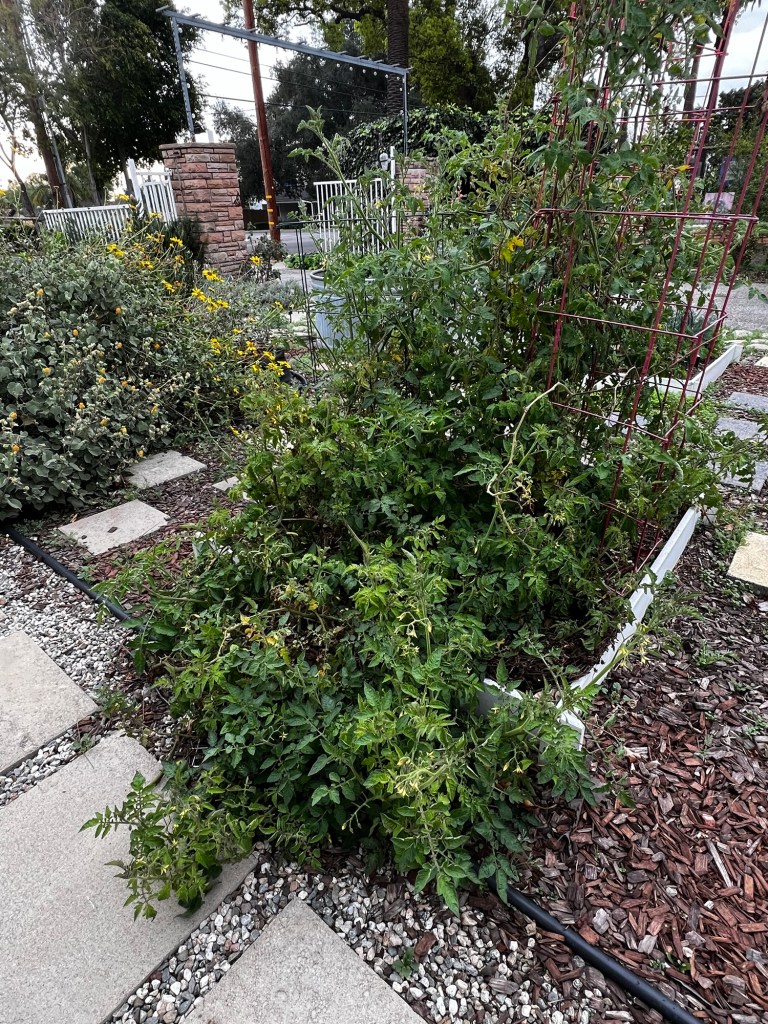

And while other plants may have not done well due to gardener’s mistake or fluctuations in the climate, it could have very well been a part of the experiment.
After I completed my assessments and turned in my reporting via the SeedLink app, I found myself craving this experiment. It was different to everyday life and I was participating as a citizen scientist. The possibilities of having an heirloom tomato plant that weathered our 105+ heat and survived the heat is amazing.
Are there more special properties out there with other heirloom vegetables?
Bolstered by an article in a major newspaper, the ADAPT seed trial for 2025 had twice as many registrants as last year. And importantly, the 2025 trial have several trials held in conjunction with the USDA (U.S. Department of Agriculture) National Plant Germplasm System (NPGS). As written in the participant letter from ADAPT,
“By participating in these community science crop trials in 2025, you’re contributing to an essential mission: exploring and preserving the crop diversity in seed bank collections across the country.”
In late December, we were issued an e-mail to confirm our address through the SeedLinked App. We were also told the date for choosing your plants would begin on January 7, 2025. The list of crops included: amaranth, common bean, eggplant, kale, marigold, melon, okra, radish, snow pea, sweet corn, beefsteak tomato, tomato (mix), winter squash, and zinnia. Participants are allowed to choose two varieties.
There are so many choices I would enjoy trying but my choices were strategic as I was aware of our heat conditions and wanted to give the seeds a good fighting chance. Some plants such as kale, snow pea, zinnia, even marigold, I would grow during fall-winter for my area. I decided on the common bean for spring and winter squash which is grown during spring-summer in our temperatures.
After choosing the two seed types, there is no immediate notification or confirmation that the participant is admitted into the trial. After several weeks, I received a confirmation on two separate occasions for each vegetable/flower. A few weeks in late February, I received my package of seeds.
The difference between this year from last year was that there seemed to be more information to the entire ADAPT process. The labeling of the seed packs is more formal as the USDA was involved and it included the origin of the seed. Some seeds didn’t have a name but a number. There is also more specific instructions on taking pictures with a photo card to measure the size of the vegetable. The data sheet was the same as last year. The requirement was to plant at least two plants per variety on the same day in the same area. I also received more frequent reminders to post your results on the Seedlinked App.

I received an email a few weeks later which informed the participants that they should have received their package and that there will be a webinar in a few weeks regarding how to plant. I’m curious to see what the webinar will assist with, and with more participants than before, it seems like this would be helpful for the participants.
Due to local conditions still fluctuating into cool temperatures, I may wait until late March or April to start my seeds.
 635 Gardening