Located at California Botanic Garden, 1500 N College Avenue, Claremont CA 91711
I rarely get excited about festivals but when I saw a post for the California Native Plant Festival, I also felt a little dumb. How haven’t I heard of this before? It turns out that this year, on March 29, 2025, was the first annual native plant festival located on the grounds of the California Botanic Garden in Claremont, California.

Along with booths, food trucks, nature-related merchandise, music, and craft activities for children, there were gardening workshops, tours, and lectures. By reviewing the native plant topics of interest to me, I highlighted those along with the times. When the day came, it became evident that it wasn’t quite possible to attend some of the gardening workshops unless I ran from one location to the other. The gardening workshops and lectures overlapped each other and I had to choose which topics were of higher priority. I chose the lectures.
I decided that in between lectures, I would squeeze in visitation of the booths. The booths were divided into four areas. The first area had merchandise from artists with nature themed merchandise. There were enamel pins, glass art, graphic art designed signs and stickers, and honey. This was held at the grounds of Grow Nursery so you can also purchase your native plants and seeds.
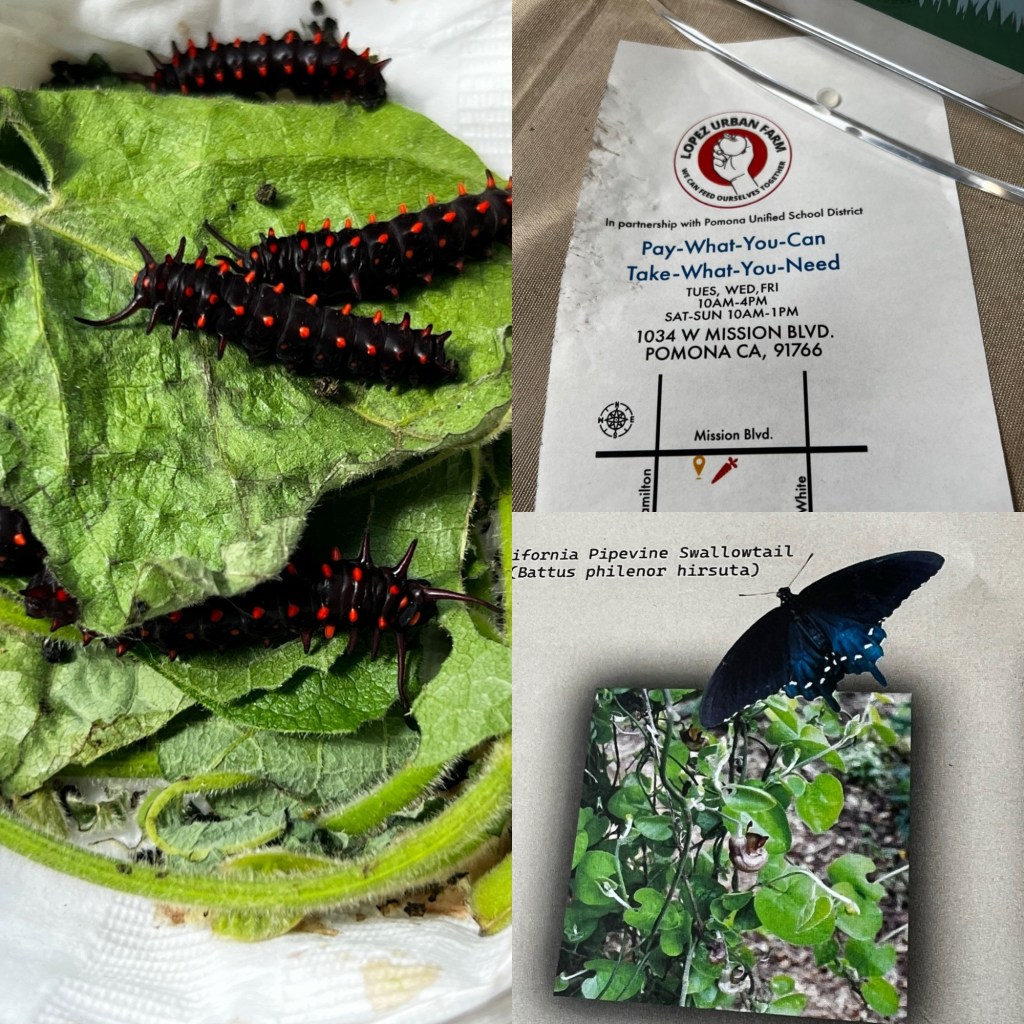
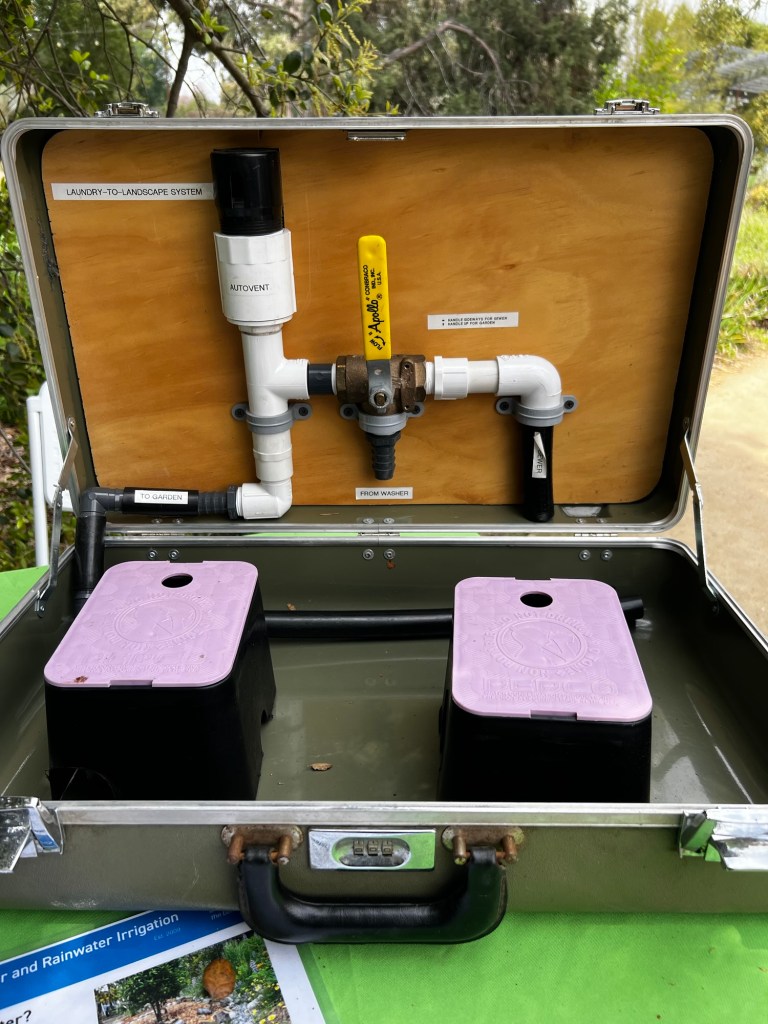
The next area held the gardening workshops and kids’s crafts and booths related to the family. This included organizations such as Descanso Gardens, Lopez Urban Farm, Active SGV, and Arroyo and Foothills Conservancy. Another area had individual specific organizations such as Treepeople, Sustainable Claremont, California Native Plant Society-San Gabriel Valley chapter, and landscape designers. A final setting sprinkled in the middle of the garden area were the water organizations from Greywater Corporation to the San Gabriel Valley Greenway Network. Of these organizations, I had questions for three of the booths and was able to get my answer from them.
The herbarium tours were held twice and filled up quickly during both times. Although I did want to visit the herbarium, I knew it was offered during other times outside of this festival. The herbarium is where the botanic garden houses the dried specimens of every known plant.
The gardening workshops had practical topics for the gardener such as “Top 10 Waterwise Native Plants,” “Choosing Native Plants for Every Garden Space,” and “Gardening for Butterflies and Caterpillars.” The Talks had more of a lecture discussion to them from “Intro to Native Plants” to “Seedbanking for Native Plant Conservation”, and “Ecology of Fire in Southern California.”
As someone who enjoys a not too scientific, scientific talk, I chose “Seedbanking for Native Plant Conservation” and “Ecology of Fire in Southern California.” The seed banking talk was a discussion of how the California Botanic Garden saves their seeds. The lead Seed Conservation Program Manager described how they save the seeds from native plants and store them at their facility. One of their safety protocols is to have three generators in case the first failed, there are two other fail-safes. Seeds are also saved for the world seed bank in Norway.
She also describes how the scientists test these seeds for germination. California Botanic Garden has the largest native seed bank in the entire United States. As California sits in a Floristic Province, it has an amazing abundance of biodiversity and the need to preserve the diversity is of great importance.
As wildfires become more prevalent in Southern California , the “Ecology of Fire” held a panel of speakers who discussed what they are doing in their own fields towards meeting this issue. Naomi Fraga, the Director of Conservation Programs at CBG, identifies and classifies the native plants most affected. She and her team are also identifying the invasive plants that become prevalent after fires in order to help facilitate management of plants after wildfires.
Loralee Larios, a professor of University of California at Riverside, observes the chaparrals affected at the San Bernardino Mountains. She has found native plants to be resilient and will re-sprout in a month after a fire. While some fires are natural, wildfires have become more frequent and droughts have worsened the situation for plants to recover. She reports that recovery has become patchy and more slow due to frequent fires.
Joey Algiers, a plant ecologist who serves at the Santa Monica National Recreation Area (which is a part of the the National Park Service), has his attention on the many fires which occur on the natural area. Because of the frequent occurrences and the lack of native plants, he has found that there is a lack of seed. With help from volunteers, the NPS approach has been to plant native plants on areas that need to be restored and also try to gather seeds from these main plants.
Not only did I increase my knowledge about native plants and their importance to the ecosystem, I was impressed by the efforts made to help restore the Southern California chaparral after its many wildfires.

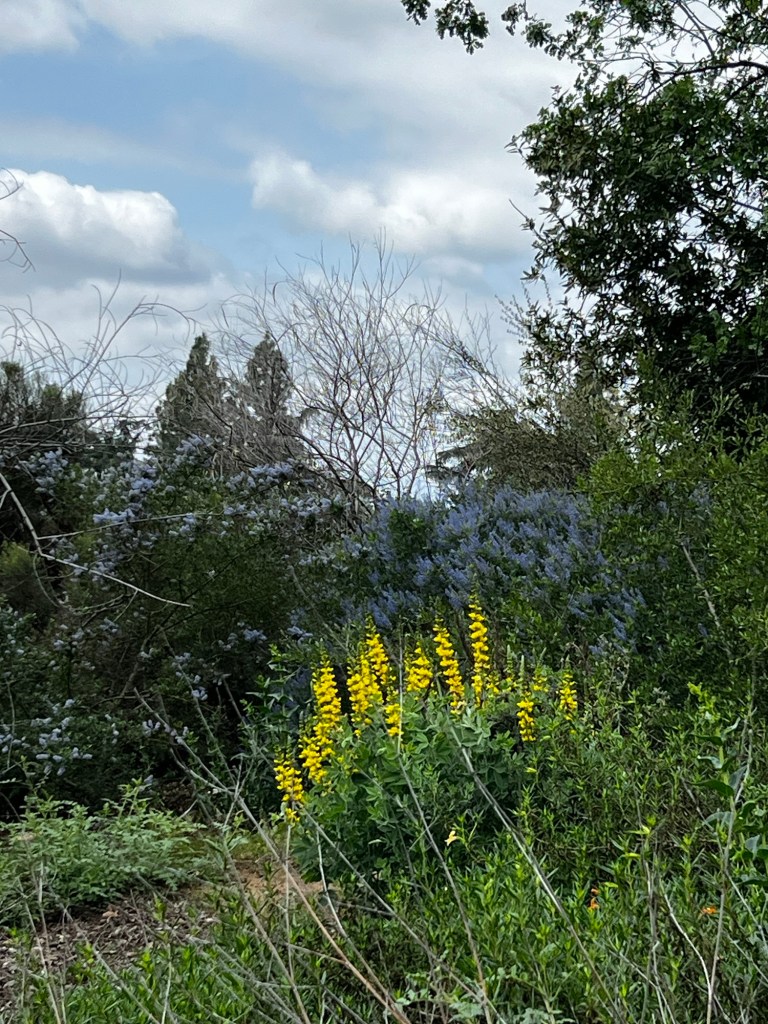
The festival ended with a couple of hours left before the garden closed. If you felt like it, you may continue with a visit of the garden. The timing couldn’t be more perfect with a beautiful day in Spring and the native flowers blooming. The tangibility of seeing the plants give a special awareness of the importance of preserving and appreciating California’s native plants.
 635 Gardening