
For the summer of 2025, it never became unbearably hot (110+ degrees) in the San Gabriel Valley part of Los Angeles, California, in Zone 10a. And in some ways, chasing the fluctuating unpredictable weather made things more difficult. It was more humid this year with the June foggy mornings rolling into the entire month of July mornings. Water and moisture was mostly the theme for this summer.
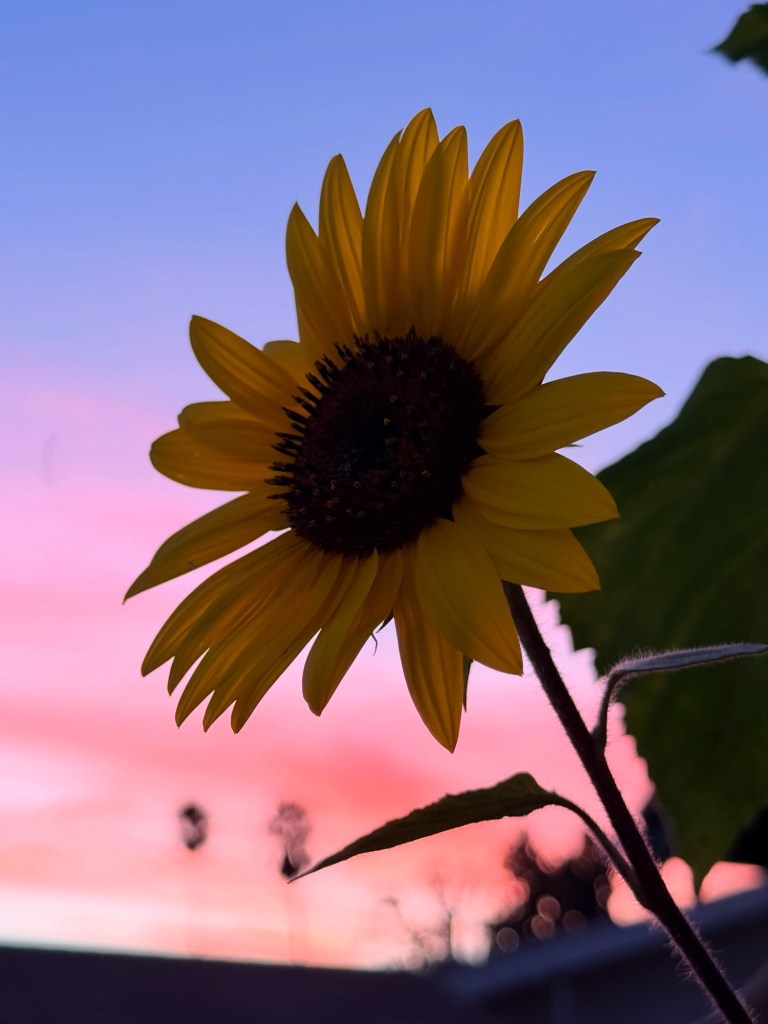
The successes, which required very little work, included several successions of sunflower plantings. I planted some easy to care for sunflowers and and their cheery nature was much appreciated. Fruit trees were also a gratification winner. My Anna apple trees gave me large fruits as I overcame my fear of thinning and found instant rewards. My pluot, pomegrante, and finger lime trees also provided an abundance.


I scaled back on my summer vegetable plantings because we needed to make some plumbing changes to our outside pipes. I experimented by planting some squash in containers and cucumbers in standing raised beds. I limited my garden space to planting heirloom beans and squash seeds from the ADAPT Program (see previous posts).
In a future separate post, I will write more in detail about this year’s ADAPT Program outcome but to summarize, the beans all failed. One variety germinated while two did not. The variety which germinated faced intense heat when I had to be out of town and did not survive. All three squash varieties germinated and two of the plants I was able to get small fruits while one never produced. For my yellow squash that I planted in containers, they were successful, however the plant looked stunted and I only received a few fruits from them.
All my plants in-ground and in containers are watered by olla pots. This is a traditional way of watering by having the moisture wicked by the roots of the plants. It is mostly used in the dry Western Indigenous communities. I have used this method for many years, but this year I felt that it was not a sufficient watering method due to the humidity. I decided to do more investigative work to determine what the underlying issue may be beyond the heat getting to the leaves.

It is not required to dig up your olla pots should you live in a warm climate (freezing temps would crack the clay) but I did so this year after the planting season. What I found was an excessive amount of roots stuck on the pot. Could these roots hinder the growth of the main plant where moisture was not going to the correct roots? At this point in time, my advice for olla pot users is to remove them every year. I advise to clean them, remove the roots from the ground, and place them back. I believe plants in the summer may need supplemental watering along with olla pot watering. These pots are extremely effective in the fall and winter season (zone 10a) as they lessen the load of having to water and I have discovered them to be especially effective with cool season root vegetables such as beets, carrots, and fennel.

I also utilized shade cloth for some of my plants including cucumbers, strawberries, succulents, and my standing container beds. These parts of my garden were the most successful. Looking back, I probably should have covered my ADAPT squash plants with shade cloth. For the future, I will have my entire vegetable garden space covered with shade cloth when the temperature goes above 85. This will give the leaves and plants a bit of reprieve from the heat and to keep the soil moist.
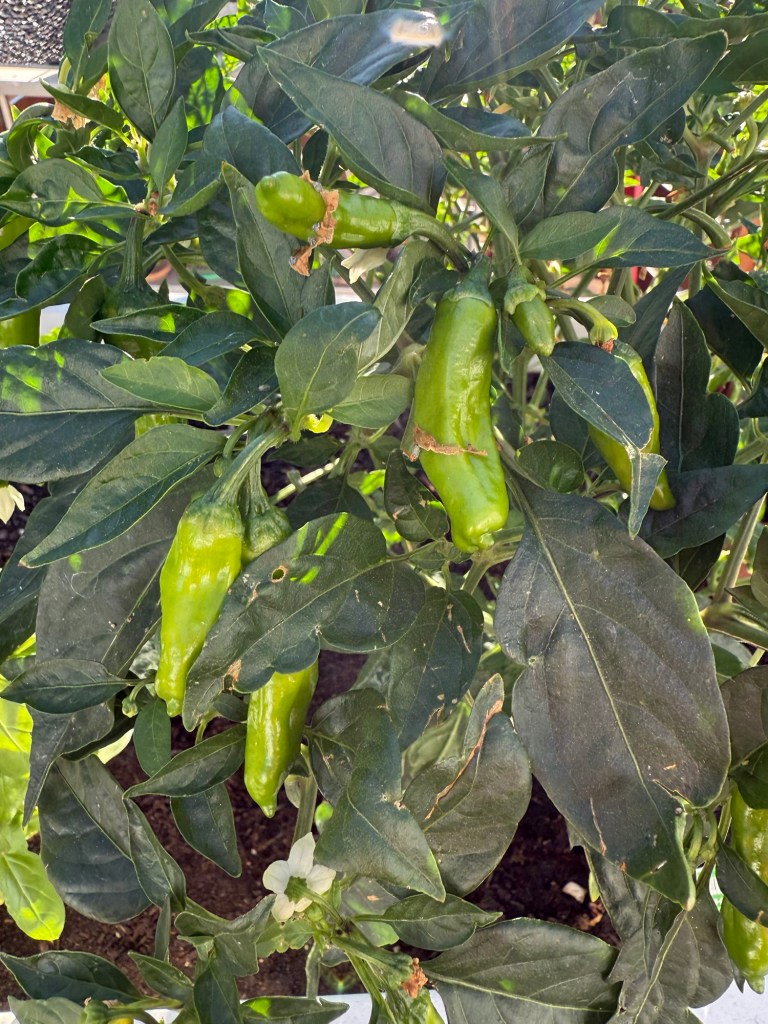

Some of my future changes include an irrigation system. I have mostly been watering by hand and through olla pots but I find it time consuming and does not necessarily equate to being better watered. My seven water barrels also remained mostly empty throughout the summer. I have purchased some water emitters and will use an automatic watering system.
Even if I have had more failures than successes this summer, I feel that I can implement new methods and make changes. If I’m not successful or become too frustrated, I can always just grow sunflowers.
 635 Gardening