The biggest change in my garden from the last time I gave an update is that that garden no longer exists. We needed to replace the underground pipes outside our 100 year old house which runs right through the garden. With the consistent need (and desire) to have more garden space without having to move, the best solution was to redesign to have a more efficient vegetable garden.
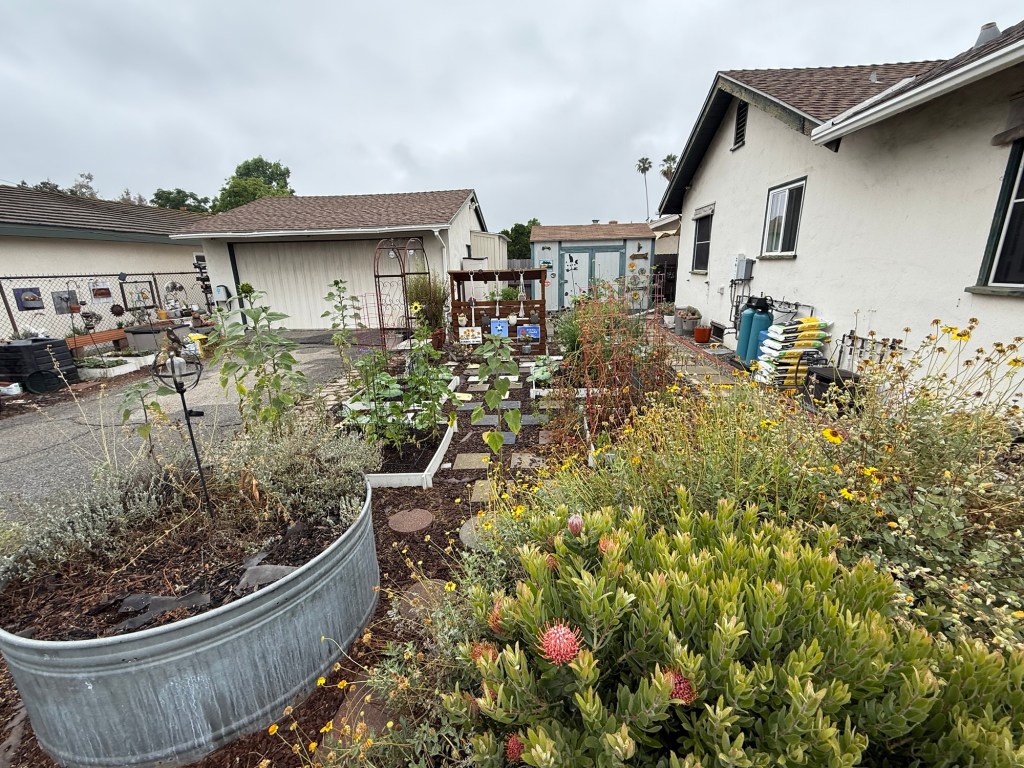
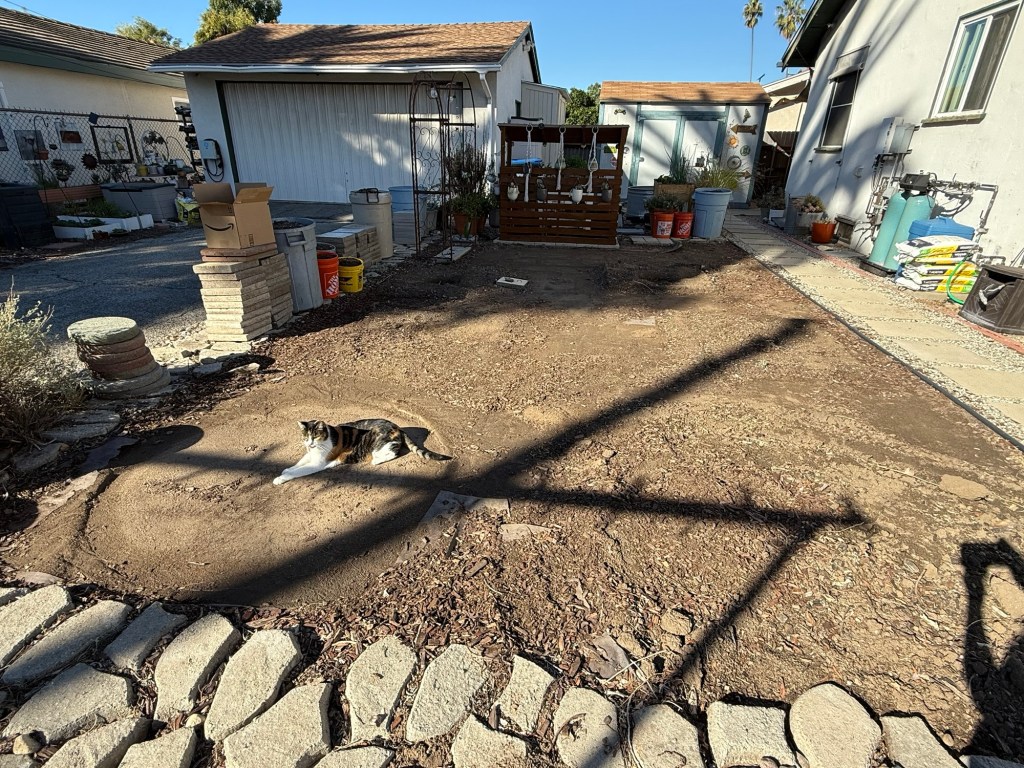
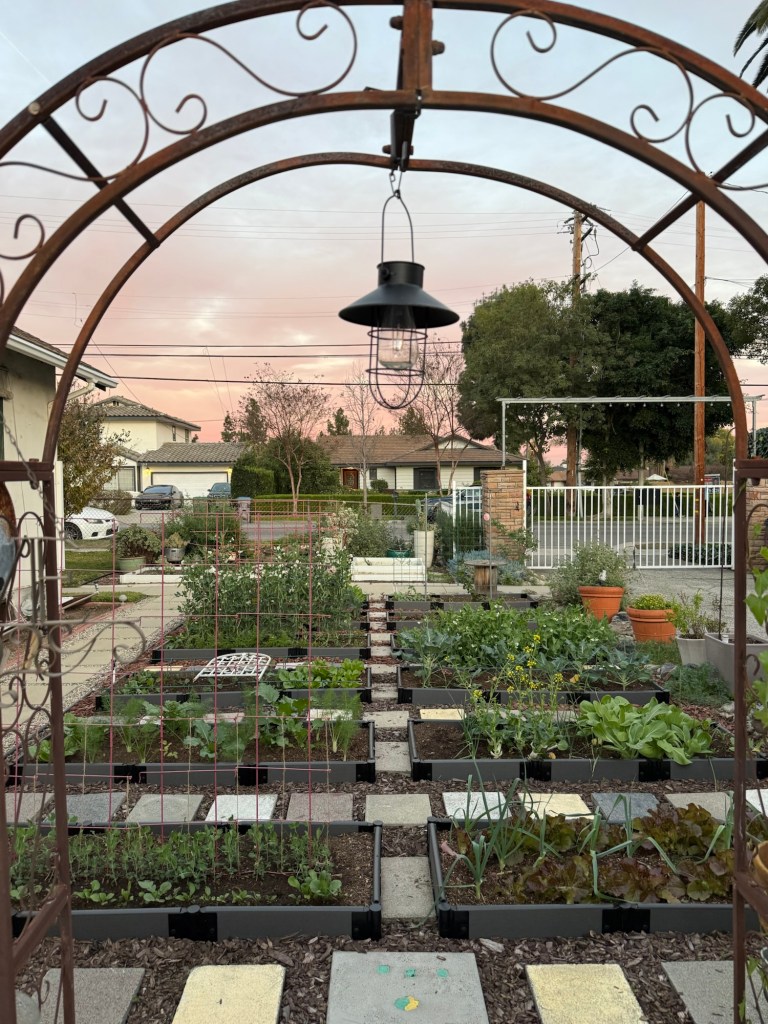
I went from approximately 80 square feet to 144 square feet of planting space. Before I had 4 by 4 feet squares and 2 x 4 feet squares. Throughout the years, I found myself enjoying the plantings at the 2 x 4 feet squares for their compactness and the less need for my arms to overstretch. My new boxes are 2 x 6 feet squares and the added length allows for placement of wider trellises and longer planting rows.
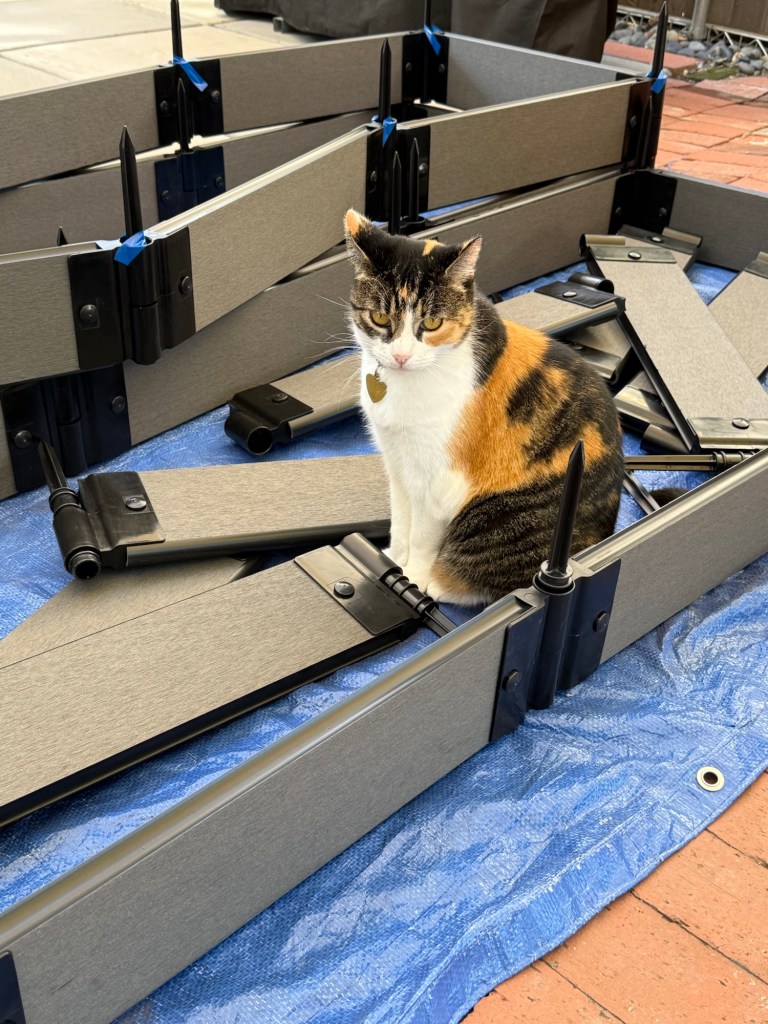
Choosing the type of material for the raised beds was quite an endeavor, weighing in the needs of something that will last with something that was also value for the money. My previous boxes were made of high quality composite wood and ideally that was what I was looking for. The original boxes were purchased over 20 years ago and so I cannot remember where I purchased them from. I have since purchased additional composite boxes but the quality was not very high and after a few years, I have noticed mold on some of them. Unfortunately, I had to dispose those and I was lucky to find the Frame-It-All brand which has high quality composite wood made from recycled food safe plastic. The boxes are not cheap and assembly was a chore, but in the long run I should save money and time in not having to replace them often (if at all within the rest of my lifetime!)
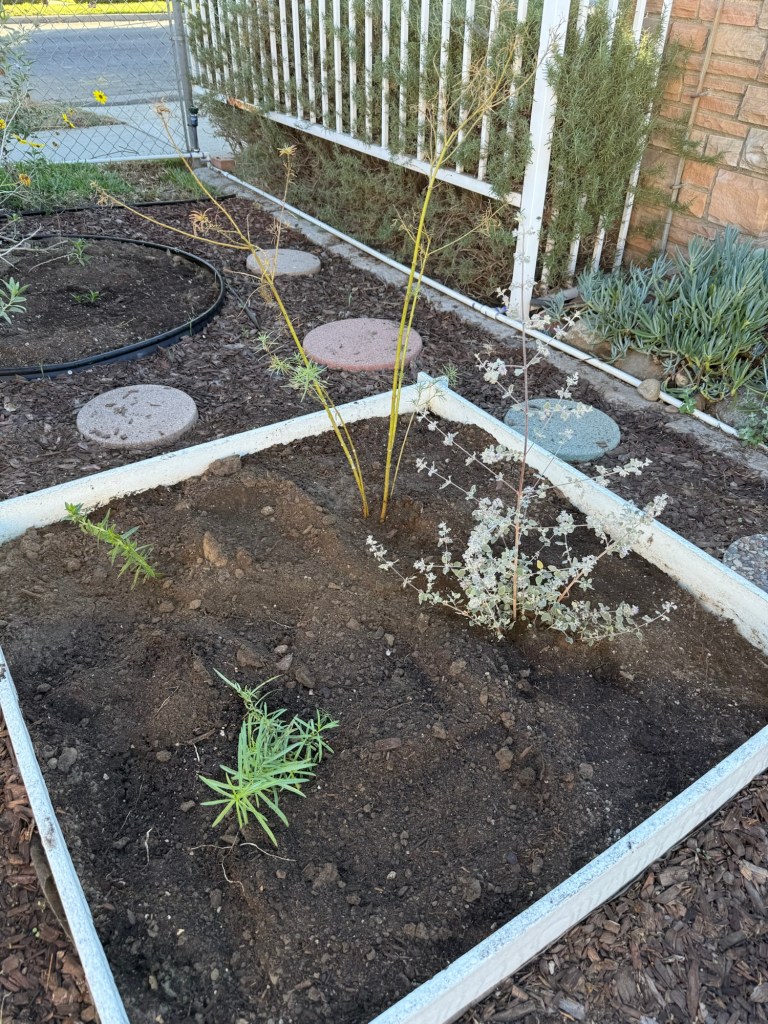
I also changed the section closest to the sidewalk into a native and pollinator garden, whereas before it would hold vegetable and flower plants. I enjoy mixing up natives with regular plantings but I wanted to have a stronger milkweed presence within the garden and more space is devoted so they can run their roots underground. I also wanted to be able to target and address any fertilizer needs the vegetables had and felt it to be more efficient if they were grouped together.
There were some heartbreaks with this garden design change. I lost my protea plant which was large and did not enjoy the replanting process and did not live. I also lost a few native plants but as they are moderately priced and accessible, they could be replaced. And no matter how often I measured the space, I still did not have much space between the boxes which was suppose to have 2 feet of walking space in the median to have that garden stroll feel.
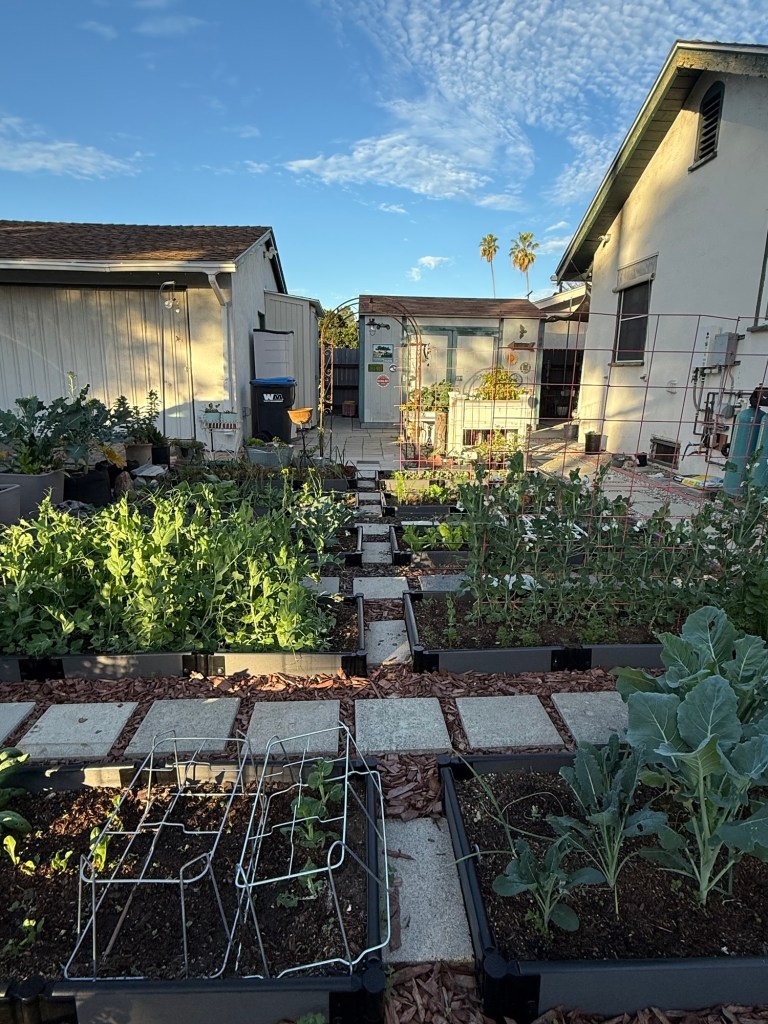
I looked forward to the garden change and putting my ideas into motion but emotionally, I felt distant from it all. I was proud of the process in removing everything from layers of mulch to layers of soil that I saved in trash barrels and redistributed when the raised beds were made. I was proud that I tried very hard to save my plants before they didn’t make it. I missed the surprises and the non-linear form of my previous garden design. And to make things worst, a month after I planted vegetable seedlings, peacocks in the neighborhood came and pecked at my plants and some did not survive.
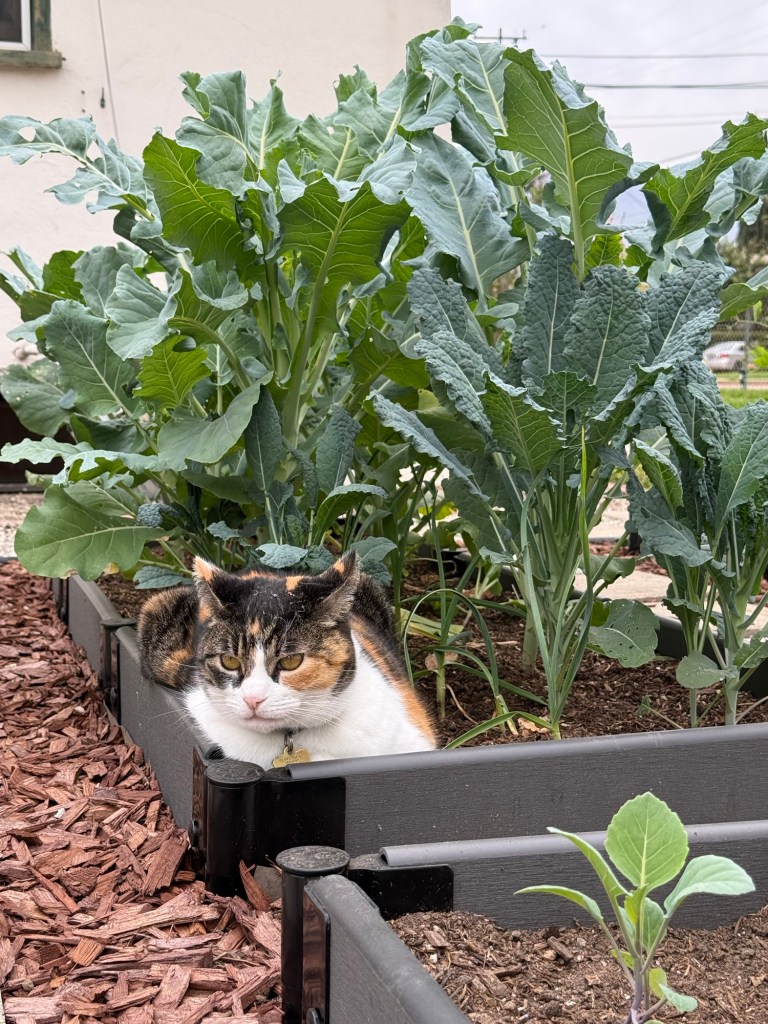
It has taken me several months and many inches of rain but the day after a terrible migraine headache day, I woke up and walked through my garden and breathed a sign of gratitude for the healing peace it brought me.
 635 Gardening