When I reconfigured the layout of my garden, my goal was to maximize my vegetable plantings and produce more food. Somewhere along the way, my mind wandered and I wanted to attract more butterflies and be a safe zone for wildlife. My vegetable gardening fell on the wayside, but it was actually an excuse that covered the real issue–I was having trouble growing vegetables.
Whether it was the drought or too much sun and heat or not enough time, there were so many excuses to not succeed. I really missed having a garden to eat from and thought that by reconfiguring my garden, I could maximize my vegetable self-sustainability needs with providing the environment for wildlife (mainly butterflies and birds). Also, if you believe in coincidences, the Grow LA Gardens classes by the UC Master Gardeners session began while I was in the process of reconfiguring my garden and it was an opportunity to start from the ground up.
One of the things I learned from the class was to take a soil sample to determine the type of soil I had. It was easy to assume things about my soil. It didn’t retain water well or it was clumpy and clay-like. After the test, I learned that my soil was a silty loom soil and it was actually fairly good though it was at the low end and needed to be enhanced.
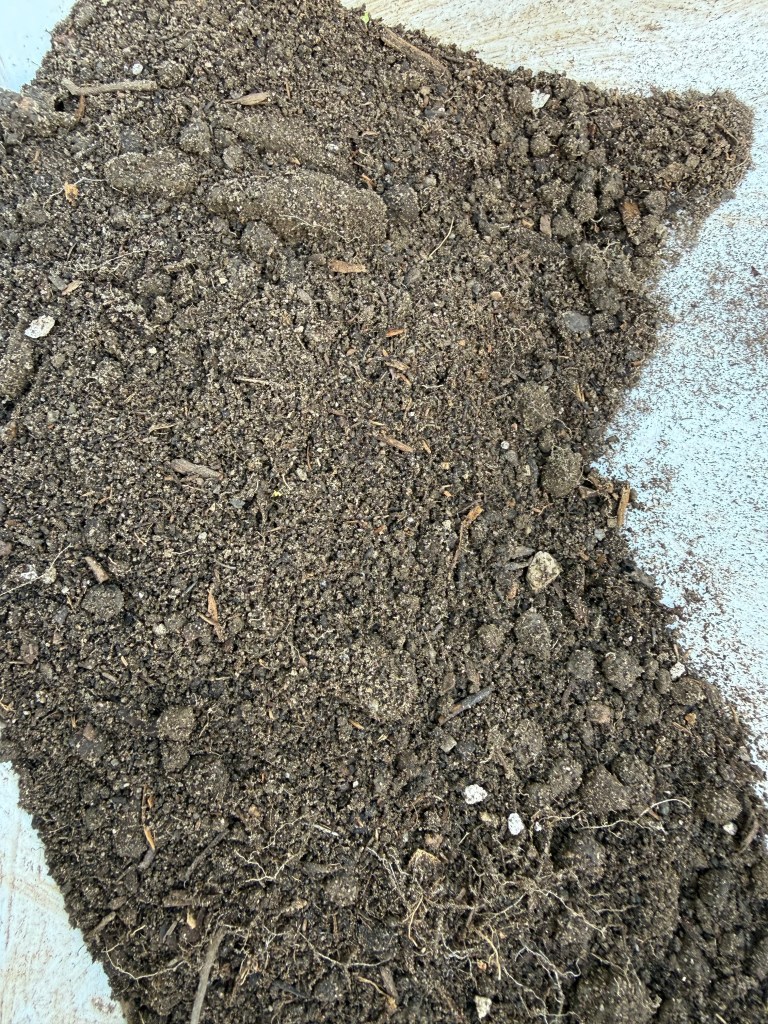
Listening to the lectures and reading about soil from the class, it seemed that whichever type of soil you had, the best way to enhance your soil was with a natural ingredient called compost. Compost is decayed organic matter which contains microorganisms, nitrogen, and carbon. These elements provide nutrition and acts as a fertilizer as well as helps retain moisture. This is a total oversimplification of what compost does but that was the answer to improving poor soil.
At the same time, there was a Compost Event at our city and I attended to get some information on where to purchase compost and to try to test to see if the compost samples was what I was looking for. It was easy to see that compost was often confused by mulch. There was one organization that I connected with that I enjoyed talking to and their compost was good quality. I also picked up some free compost from L.A. Compost a few months later and their compost was of decent quality.
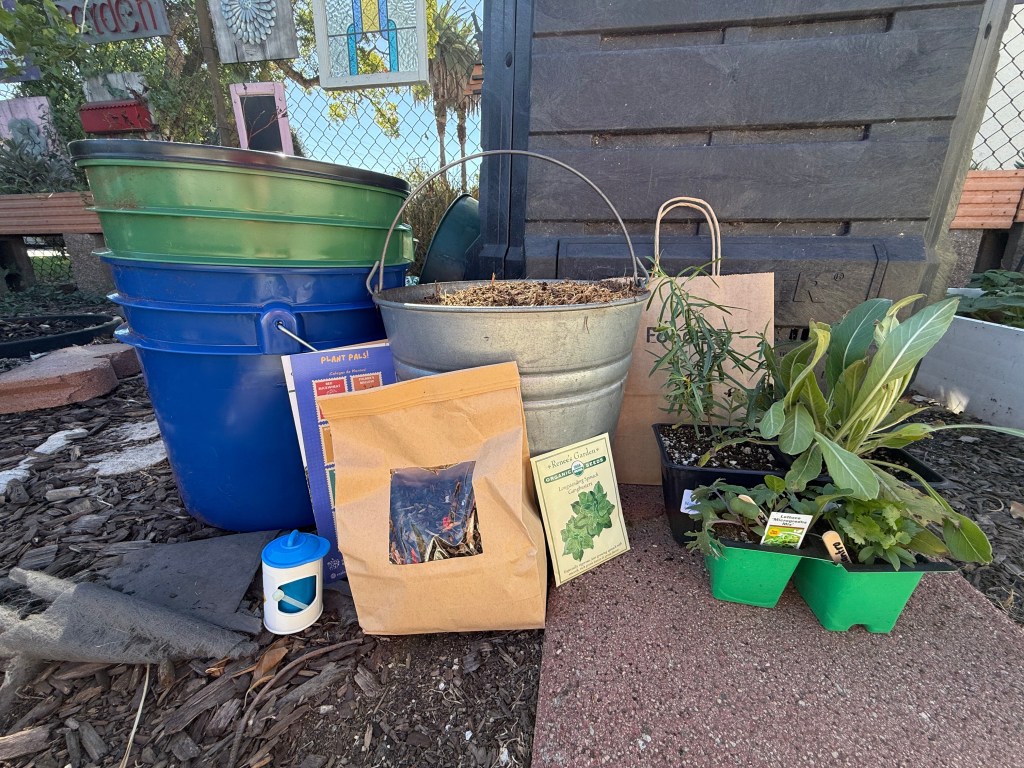
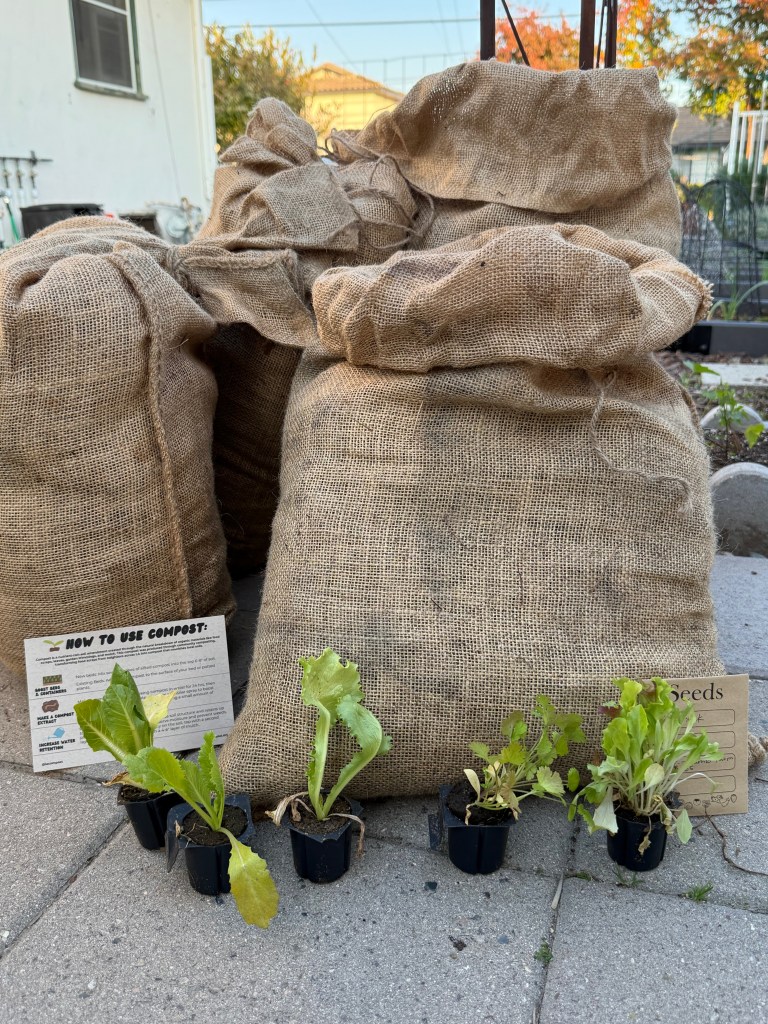
But what I learned was that the compost I had at home was of great quality and even though I was quite vigilant, there were still some odds and ends of things growing that I did not expect. Because of that, I decided that I would purchase bagged compost from local nurseries. The bagged compost was of excellent quality and was also sterilized so it was guaranteed to not have odd things growing from it.
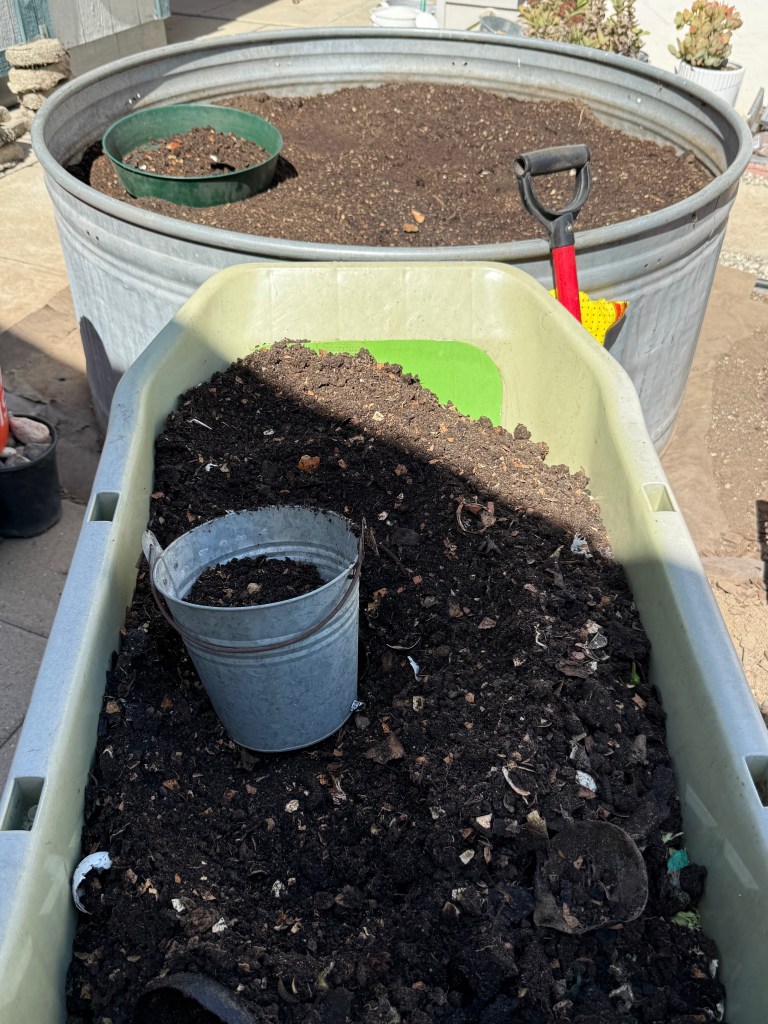
Then the issue was how much compost one should apply. I always heard people say to spread it on top, however in a new garden situation, you would definitely need to add compost in the soil. Then the next issue was how often. And this was a shocker for me, the Master Gardeners say to fertilize your garden with compost or some other fertilizer every two weeks. Since I have both, I switch from liquid fish fertilizer and compost depending on what I have on hand.
With all the advice and new things I learned, I can say, I have been very pleased with my “winter” crops. I have been able to harvest a lot of lettuce, radish, peas, kale, chard, and carrots. Our weather threw us a curve ball and gave us a lot of rain intermingled with high heat of close to 100F during our “winter.” But compost should help with water retention. And ultimately, the extremes in our temperature fluctuations.
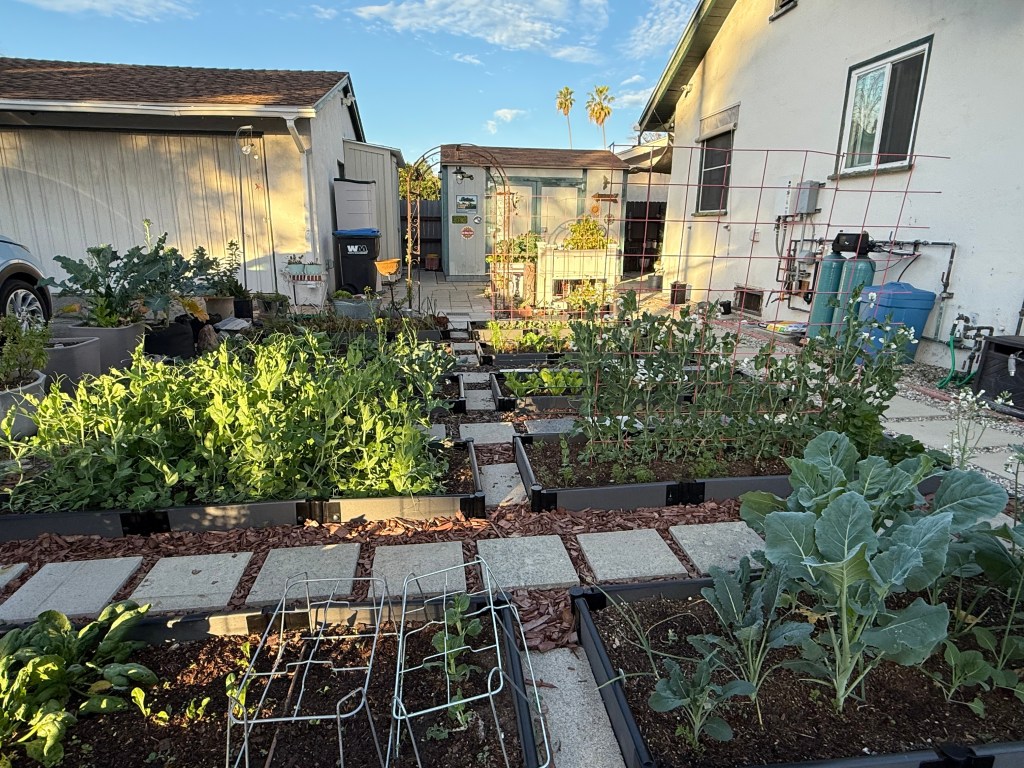
When I changed out some of my plants from winter to spring/summer, I found soil that was soft and easy to work with. There was also the presence of more worms than what I normally find. The success through the minimum of effort made me feel like a confident gardener again.

