It’s the second week of November and summer officially ended weeks ago. I may be late for the recap or maybe summer has not ended? It was 86 degrees today, a very warm day, very early summer-like weather. I also have quite a few vegetables left from summer, still in the ground and not quite giving up yet.
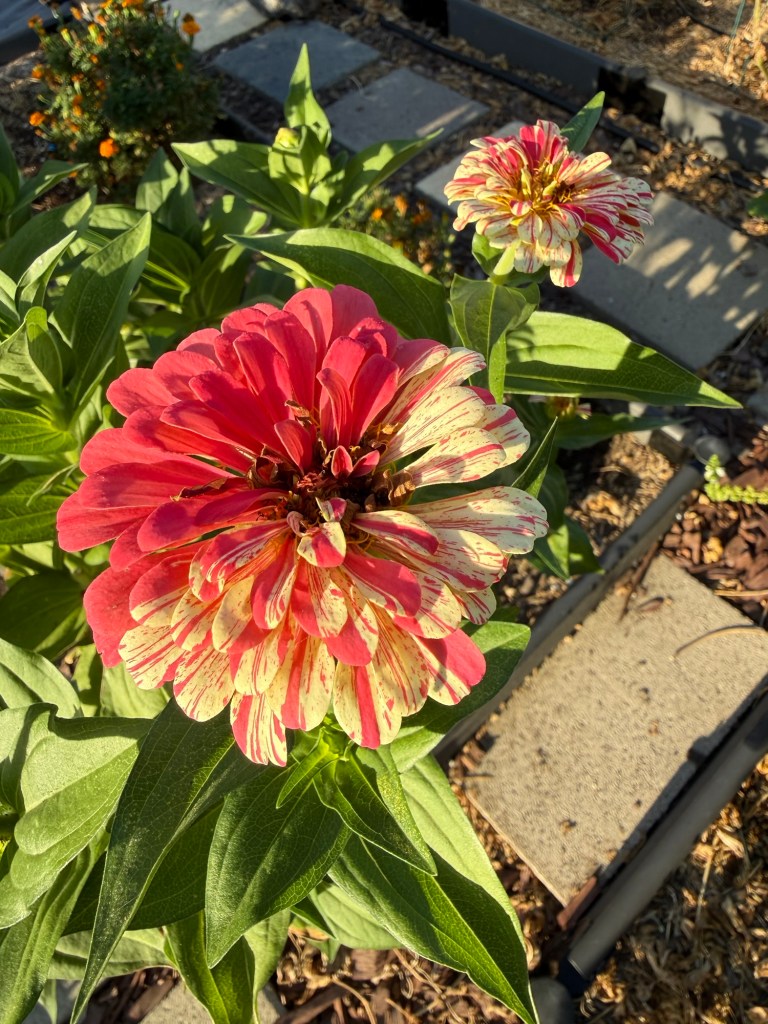
It seems like it’s happening more often but as I do another recap, I find myself repeating something to the likes of “inconsistency in the weather” and “hard to know what to expect.” This year, there was intense humidity along with periods of cool weather and then high heat. We had an intense heat wave at the very end hampering new seedlings for Fall and Winter.
We installed a new irrigation system this year and that made a big difference in my gardening efforts. Not only was it less work for me but the watering was direct and consistent. I began the season by watering every three days for 10 minutes and I expected to change that when the heat began. But because I am lazy, I never changed the settings and I felt confident that the warm season vegetables could learn to adapt. And they did. I was also expecting to put out shade cloth but the only time I did was during the heat waves we had in October, which was excessively hot and lasted long and they mostly covered newly seeded plots.
Adapting from what I learned in last year’s Grow LA course, I regularly fed my plants every two weeks. Some weeks I will disperse compost, other weeks I will use fish fertilizer, and in some weeks, I will use compost tea. Depending on what I have on hand and as I sometimes don’t like routine, I enjoyed varying what I used. I did not see any significant differences in what I used. Everything was much appreciated by my plants which provided me with good healthy vegetables and fruit. I found the plants itself to be so healthy as to prevent a lot of disease and pest invasions.
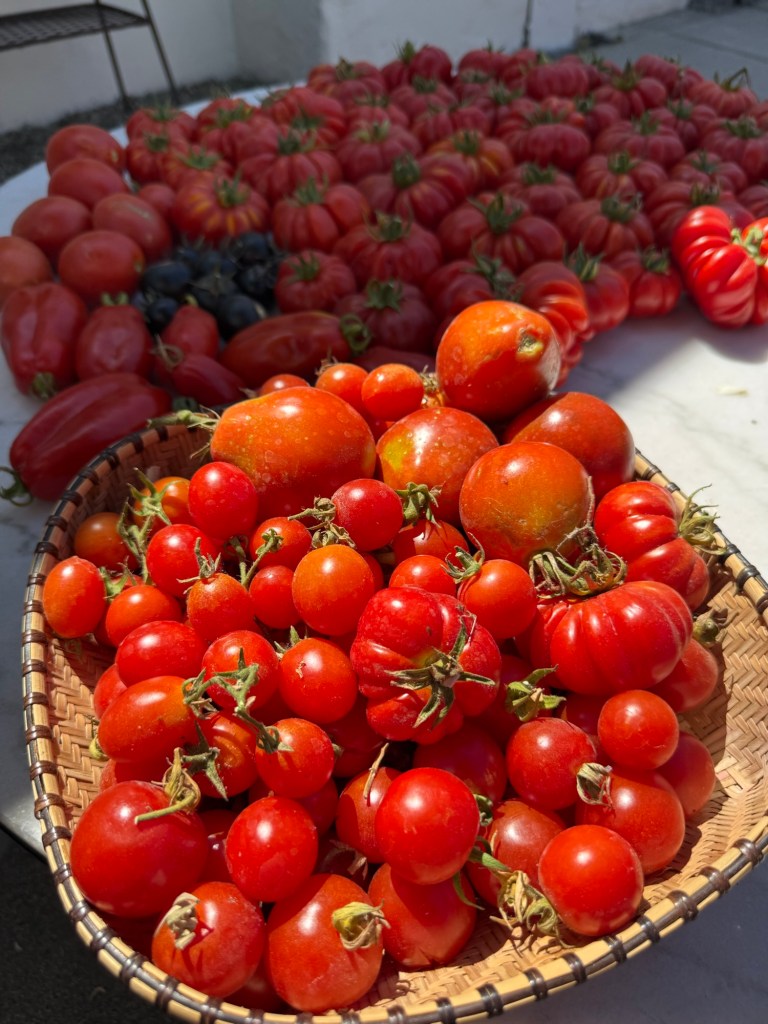
The stand out plant this year were the volunteer tomatoes. I did not purchase any tomato plants but repotted the volunteer plants that showed up in my compost and from whichever remaining seeds that I tried to plant in previous years. I ended up planting over 14 plants. It’s a crazy amount of plants and I wasn’t sure I had enough room so I planted some rather close together. There was some competition for space but there was less disease than what I expected. I did remove some bottom leaves and branches quite regularly and that seemed to provide the airflow.
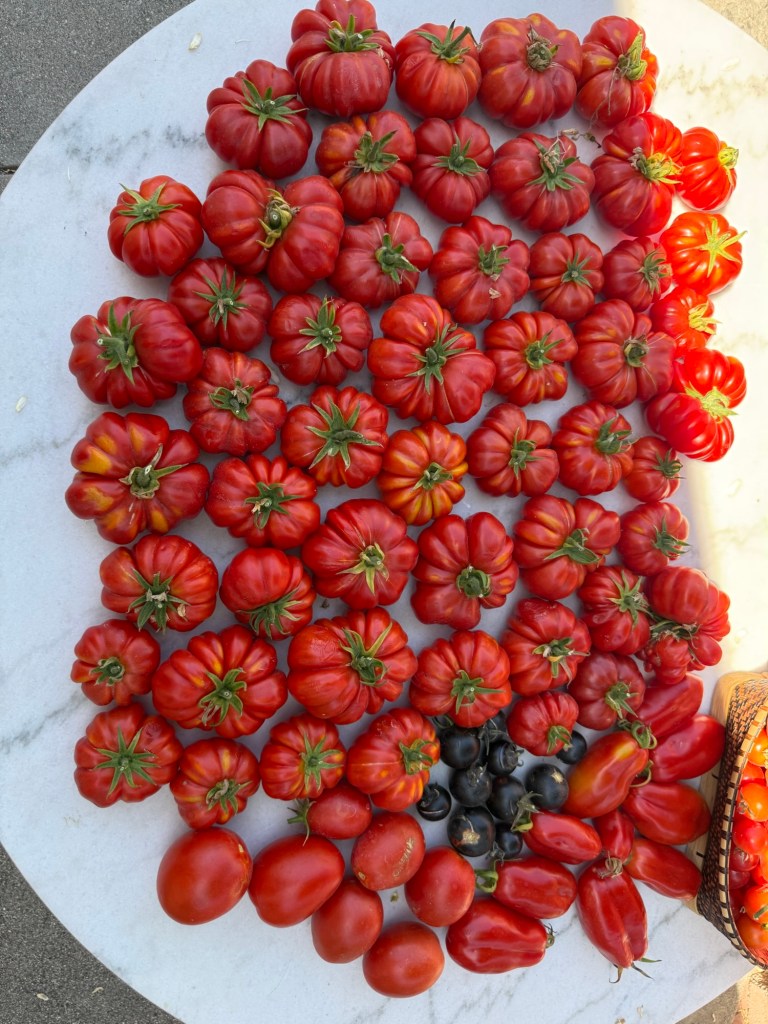
It was such a fun experience waiting to see what kind of tomato I was going to get! I was lucky because in the end, I had a great variety of shapes and types! I had an abundance of Italian tomatoes, Roma tomatoes, grape tomatoes, heirloom cherry red tomatoes, and an heirloom Black Vernissage tomato. The Black Vernissage tomato took an extremely long time to ripen but they were the best of the bunch! Needless to say if you plant 14 tomato plants, you will end up with a lot of tomatoes. I made a lot of sauce and had a lot of salads and gave some to my neighbor. This year, I tried up-potting the tomato plants. I went from small container and increased to a larger container as it grew. I think it made a big difference! My plants were stronger and actually seemed to grow faster when I planted them in-ground.
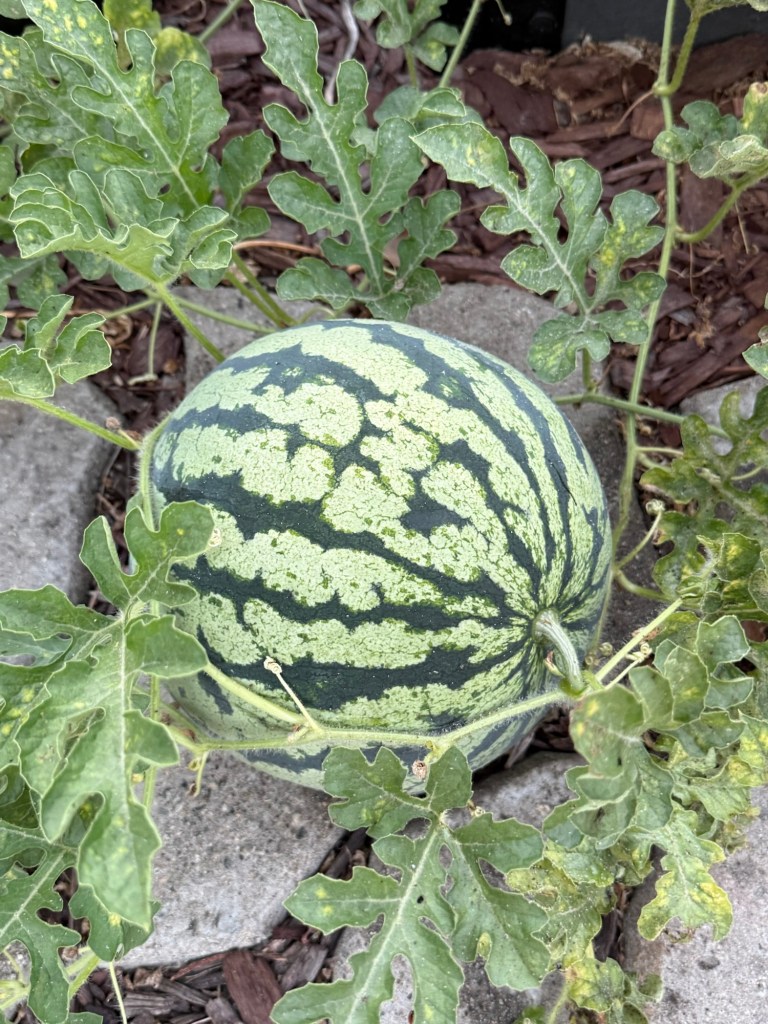
My other successful plant was watermelon. I grew some at a plot that had more sun and another group that had less sun (keep in mind that my garden is not very large). The more sun watermelon vines and melons did better. I planted about 3 plants in each planter to get plenty of flowers and in case a vine should fail. I didn’t have any failed vines so I ended up with a flow of vines. The watermelon with the additional fertilizer feedings grew big and juicy. And I still have a few on the vine and will be enjoying home grown watermelon in November!
I had a few tepid plantings. A few cucumbers had some of the vines fail and I was unable to replant as new seedlings were unsuccessful. I tried growing delicata squash but the plant seemed to stop growing after germination and petered out. My zucchini and yellow straight squash were mostly successful but not a bumper crop.
I also tried a new to me crop: lima beans. From the ADAPT program, I chose to grow lima beans mostly because I have come across the agricultural history of this area and lima beans was a major crop. All three varieties have been successful and continue to provide well into November. I will write more on the lima beans in a separate APAPT blog, as per my usual assessment.
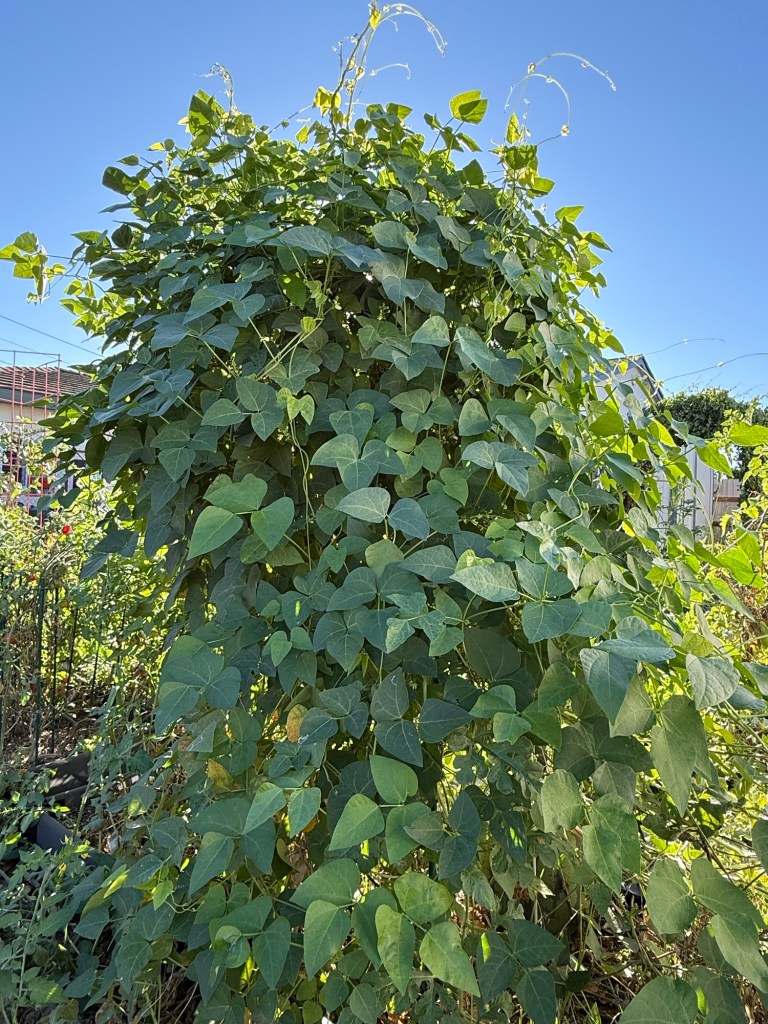
Having a consistent irrigation schedule and regular fertilizing made the difference. I used to think that once a plant provides an abundance of fruit, then it will probably meet its end fairly soon. With regular fertilizing, all that effort in germination of the seed is utilized and maximized in fruiting. There is also an extension of plant life which provides more vegetables throughout the season.
As I sit here in November, I have a few tomato plants that decided to stick around and if I’m lucky, I may have some homegrown tomatoes in winter.

